2026 FIFA Club World Cup Format: Your 5-Minute Guide
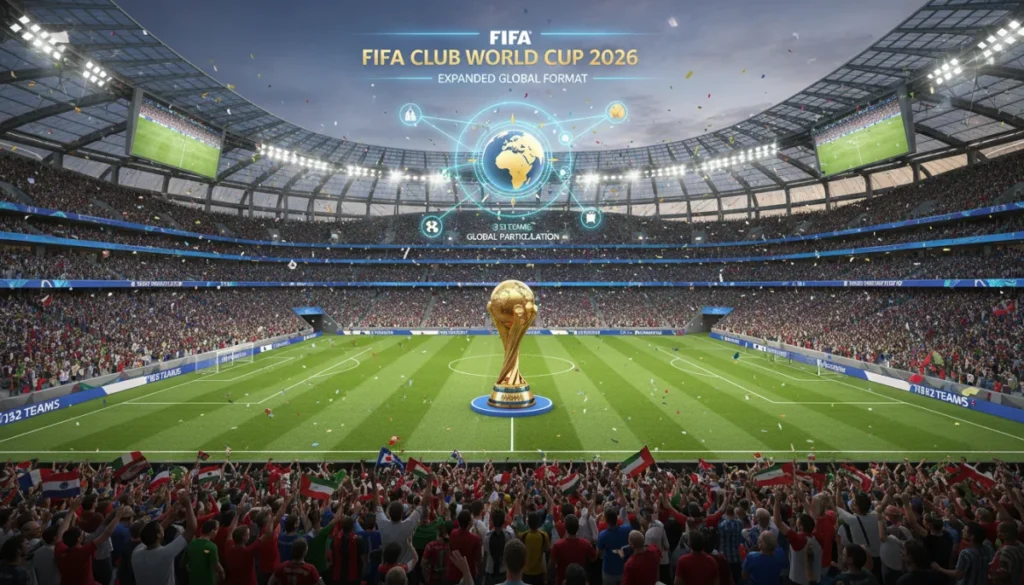
The 2026 FIFA Club World Cup will expand to a 32-team format, fundamentally reshaping global club football with increased competition and prestige.
The world of club football is on the brink of a monumental shift with the introduction of the expanded 2026 FIFA Club World Cup Format. This revamped tournament promises to be a game-changer, moving from its traditional, smaller scale to a much grander stage, involving 32 teams from across the globe. For fans, clubs, and federations alike, understanding this new structure is crucial to appreciate the magnitude of what’s coming. This guide aims to demystify the complexities, offering practical insights into how the tournament will operate and what it means for the beautiful game.
The Dawn of a New Era: Why the Expansion?
The decision to expand the FIFA Club World Cup to a 32-team format in 2026 marks a significant evolution in global club football. This move is not merely an increase in participant numbers; it represents a strategic pivot by FIFA to elevate the tournament’s stature, making it a true global spectacle akin to the FIFA World Cup for national teams. The motivations behind this ambitious expansion are multifaceted, touching upon commercial interests, sporting development, and the desire for enhanced global representation.
For years, the Club World Cup, while prestigious for its winners, struggled to capture the widespread attention and competitive depth of its national team counterpart. The previous format, typically involving seven teams, often felt like a brief interlude in the club season rather than a standalone, high-stakes competition. FIFA recognized the immense potential in leveraging the passion for club football worldwide, aiming to create a tournament that truly brings together the best clubs from every continent, offering a diverse array of playing styles and fan bases.
Commercial Imperatives and Global Reach
One of the primary drivers for the expansion is undoubtedly commercial. A 32-team tournament, held every four years, presents unprecedented opportunities for revenue generation through broadcasting rights, sponsorship deals, and ticketing. The increased number of matches and the longer duration of the tournament naturally amplify its commercial appeal. This financial injection is vital for FIFA to reinvest in football development globally, supporting federations and grassroots initiatives.
- Increased Revenue Streams: More matches, more broadcast value.
- Broader Sponsorship Appeal: Attracting global brands with a larger audience.
- Enhanced Fan Engagement: More teams mean more national and regional interest.
Beyond the financial aspect, the expansion seeks to truly globalize club football. By allocating more slots to confederations beyond Europe and South America, FIFA aims to provide a platform for clubs from Africa, Asia, CONCACAF, and Oceania to showcase their talent on the world stage. This inclusivity is designed to foster football development in these regions, inspiring local leagues and clubs to strive for higher standards, knowing that a pathway to global recognition now exists.
Ultimately, the expansion of the FIFA Club World Cup is a bold statement of intent from FIFA: to create a tournament that is not just a showcase of elite European and South American clubs, but a truly global celebration of club football, reflecting the sport’s universal appeal and competitive spirit. This transformation is set to redefine what it means to be a world champion club, bringing new narratives and rivalries to the forefront.
Understanding the New 32-Team Structure
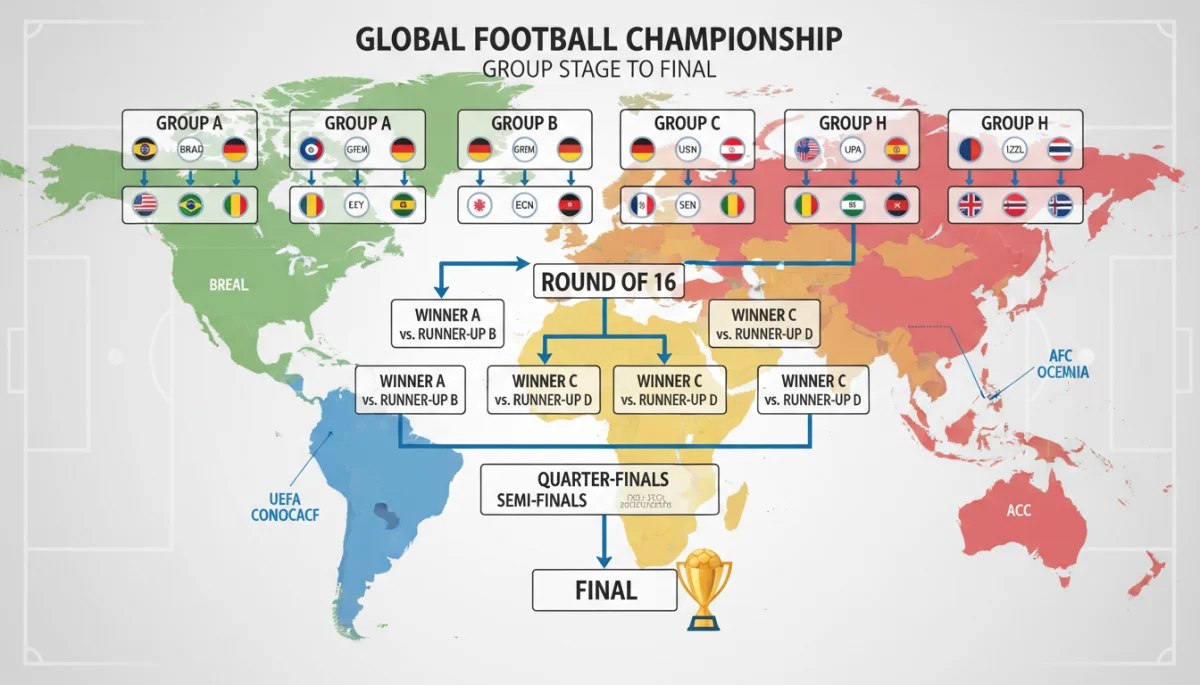
The transition to a 32-team format for the 2026 FIFA Club World Cup brings with it a comprehensive structural overhaul that will be familiar to anyone accustomed to the FIFA World Cup. This new setup is designed to maximize competitive fairness, ensure ample playing time, and provide a compelling narrative from the group stages through to the final. The tournament will feature eight groups of four teams, followed by a direct knockout stage.
Each team in the group stage will play every other team in their group once. The top two teams from each of the eight groups will then advance to the Round of 16, initiating the knockout phase. This structure guarantees that every match carries significant weight, as teams will be fighting for every point to secure their progression. The knockout rounds will then follow a traditional single-elimination bracket: Round of 16, Quarter-finals, Semi-finals, and finally, the Grand Final. There will be no third-place playoff, emphasizing the ultimate prize of being crowned world champions.
Confederation Slots and Qualification Pathways
A critical aspect of the new format is the allocation of qualification slots across FIFA’s six confederations, ensuring a balanced global representation. This distribution has been carefully considered to reflect the strength and depth of club football in each region, while also providing opportunities for emerging leagues.
- UEFA (Europe): 12 slots
- CONMEBOL (South America): 6 slots
- AFC (Asia): 4 slots
- CAF (Africa): 4 slots
- CONCACAF (North, Central America, and Caribbean): 4 slots
- OFC (Oceania): 1 slot
- Host Country: 1 slot
The qualification pathways for these slots vary by confederation. For UEFA, the winners of the UEFA Champions League from 2021-2024 automatically qualify, with additional spots determined by club ranking over a four-year period. Similar mechanisms are in place for CONMEBOL, typically involving winners of the Copa Libertadores. Other confederations will also use their premier club competitions and ranking systems to determine their representatives.
This detailed allocation ensures that the tournament truly brings together a diverse collection of clubs, from established European giants to rising forces from other continents. The increased number of slots also means that more clubs will have a genuine opportunity to compete for a place on the global stage, intensifying competition within each confederation’s club competitions.
Key Dates and Host Nation for the Inaugural Edition
The inaugural expanded FIFA Club World Cup is set to take place in the summer of 2025, specifically from June 15 to July 13, 2025. This timing places it firmly within the traditional international football calendar, positioning it as a major event between European club seasons and before the start of the next domestic campaigns. The chosen period aims to minimize disruption to national leagues and continental competitions, while also allowing players adequate rest and preparation.
The host nation for this historic first edition has been confirmed as the United States. This decision aligns with FIFA’s broader strategy to use major tournaments to foster football growth in key markets, especially ahead of the 2026 FIFA World Cup, which the U.S. will co-host with Canada and Mexico. Hosting the Club World Cup provides the U.S. with a significant opportunity to test infrastructure, logistics, and fan engagement on a large scale, serving as a crucial dress rehearsal for the even larger World Cup event.
Logistical Considerations and Player Welfare
Hosting a 32-team tournament across multiple cities presents considerable logistical challenges. The United States, with its vast infrastructure of modern stadiums, extensive transportation networks, and experienced event organizers, is well-equipped to handle such an undertaking. The tournament will likely utilize several of the venues earmarked for the 2026 World Cup, offering a preview of the facilities that will host the world’s biggest football spectacle.
Player welfare is another critical consideration, given the demanding schedules faced by elite footballers. FIFA has emphasized its commitment to working with clubs and confederations to manage player workload effectively. This includes providing sufficient recovery periods between matches, optimizing travel arrangements, and ensuring access to world-class medical facilities. The expanded format necessitates careful planning to protect players from excessive fatigue and injury, which is a constant concern for top-tier athletes.
The choice of the United States as the host, coupled with the strategic timing, underscores FIFA’s ambition for the new Club World Cup. It’s not just about expanding the competition; it’s about elevating its global profile, ensuring operational excellence, and laying the groundwork for future success in major footballing events, particularly in a market with immense growth potential.
Impact on Club Football: Opportunities and Challenges
The expanded 2026 FIFA Club World Cup Format will undoubtedly have a profound impact on club football globally, presenting both exciting opportunities and significant challenges for participating teams, domestic leagues, and continental competitions. This fundamental shift will reshape strategic planning for clubs and potentially alter the competitive landscape.
For clubs, the allure of becoming a world champion under this new, grander format is immense. It offers unparalleled global exposure, a substantial financial reward, and the ultimate bragging rights. Participation in such a prestigious tournament can significantly boost a club’s brand, attract top talent, and open new commercial avenues, especially for teams from less prominent leagues. The increased prize money associated with the expanded tournament will also be a major incentive, allowing clubs to invest further in infrastructure, youth development, and player acquisitions.
Navigating Domestic and Continental Calendars
However, the expansion also introduces considerable challenges, primarily concerning fixture congestion and player fatigue. Integrating a month-long, 32-team tournament into an already packed international and domestic football calendar will require careful coordination and potential adjustments to existing schedules. Clubs participating in the Club World Cup will face an even more demanding season, with increased travel and match load, raising concerns about player welfare and the competitive balance of their domestic leagues.
- Fixture Congestion: Potential clashes with league and cup matches.
- Player Fatigue: Increased demands on physical and mental health.
- Squad Depth Requirements: Clubs will need larger, stronger rosters.
Domestic leagues and continental competitions will need to adapt to accommodate this new quadrennial event. While some adjustments may be minor, others could involve significant rescheduling or even changes to the format of existing competitions in the years the Club World Cup is held. The balance between national and international club football will be a continuous point of discussion and negotiation among stakeholders.
Ultimately, the impact will vary significantly across clubs and regions. For some, it will be a golden opportunity to step onto the global stage and compete with the world’s best. For others, particularly those with already tight schedules and smaller squads, it will present a test of endurance and strategic management. The long-term success of the expanded Club World Cup will depend on how effectively these opportunities are maximized and challenges are mitigated through collaborative efforts across the footballing ecosystem.
Comparing the New Format to Past Editions
The upcoming 2026 FIFA Club World Cup represents a radical departure from its predecessors, making direct comparisons both insightful and necessary to fully grasp the scale of this transformation. For decades, the tournament operated under various smaller formats, primarily featuring seven teams: the champions of each of the six confederations and a representative from the host nation. This structure, while providing a platform for continental champions, often felt limited in scope and competitive depth.
The traditional format typically involved a short knockout tournament, often completed within a week or two. While it crowned a global club champion, the limited number of participants meant that many top clubs, even continental powerhouses, never had the chance to compete. The dominance of European and South American clubs was also a consistent feature, often leading to predictable outcomes in the final stages. The smaller scale meant less global fanfare and, arguably, less competitive intensity outside of the final.
Evolution of the Tournament’s Vision
The new 32-team format fundamentally redefines the tournament’s vision. It shifts from being a brief champions’ playoff to a full-fledged international competition that mirrors the scale and ambition of the FIFA World Cup. This expansion means:
- Increased Global Representation: Far more clubs from diverse leagues will participate.
- Enhanced Competitive Depth: More matches against varied opponents.
- Longer Duration: A month-long event, creating a sustained spectacle.
- Group Stage Drama: The introduction of groups adds a new layer of strategy and excitement.
The move to a group stage followed by knockout rounds ensures that teams play multiple matches, providing more opportunities for upsets and compelling narratives. It also means that clubs must demonstrate sustained performance over a longer period, rather than relying on a single knockout game. This demands greater squad depth, tactical flexibility, and resilience, elevating the competitive standard required to lift the trophy.
In essence, the new format aims to create a truly global championship, where the best clubs from every corner of the world can genuinely test their mettle against each other. It’s a move away from a niche event towards a mainstream spectacle, designed to capture the imagination of football fans worldwide and solidify its place as a premier event in the international football calendar.
Fan Experience and Tournament Accessibility
The expanded 2026 FIFA Club World Cup Format promises to revolutionize the fan experience, offering unprecedented accessibility and engagement for supporters worldwide. With 32 teams competing, the tournament will provide a much broader appeal, allowing fans from more nations and clubs to actively follow their teams on the global stage. This increased representation is expected to generate a wave of excitement, drawing in new audiences and reinvigorating existing fan bases.
For those attending in person, the host nation, the United States, offers state-of-the-art stadiums and robust infrastructure. The geographical spread of potential host cities means that games will be accessible to a wider American audience, potentially sparking new interest in club football within the country. FIFA and local organizers will likely implement comprehensive ticketing strategies, including packages for various stages and team-specific options, to cater to diverse fan preferences and budgets. Travel and accommodation logistics will be crucial, with efforts to provide accessible information and support for international visitors.
Digital Engagement and Broadcast Innovation
Beyond physical attendance, the tournament’s expanded scale will lead to significant advancements in digital engagement and broadcast coverage. With more matches and a longer duration, broadcasters will have ample content to deliver, likely employing cutting-edge technologies to enhance the viewing experience. This could include:
- Immersive Broadcasts: 4K/8K resolution, multi-angle cameras, and enhanced graphics.
- Digital Platforms: Dedicated apps, fantasy leagues, and interactive fan zones.
- Social Media Integration: Real-time updates, exclusive content, and fan interactions.
FIFA will also be keen to leverage social media and digital platforms to connect with a global audience, offering behind-the-scenes content, player interviews, and interactive features. The goal is to make the tournament a truly immersive experience, whether fans are in the stadium or watching from home. Accessibility will also be a key focus, with efforts to ensure broad broadcast coverage across different regions and languages, making the matches available to as many viewers as possible.
The overall fan experience is set to be richer and more inclusive than ever before. The expanded format means more opportunities for fans to celebrate their teams, engage with the sport, and witness history unfold. This focus on accessibility, combined with technological innovation, aims to make the 2026 FIFA Club World Cup a memorable event for football enthusiasts around the globe.
Practical Solutions for Clubs and Federations
The expanded 2026 FIFA Club World Cup Format presents a new paradigm for clubs and federations, necessitating proactive and practical solutions to navigate its complexities and maximize its benefits. Strategic planning will be paramount, moving beyond traditional annual cycles to a four-year outlook that incorporates this major quadrennial event.
For clubs, particularly those aiming for qualification, immediate practical solutions involve strengthening squad depth and managing player workload. A 32-team tournament implies playing a significant number of high-intensity matches within a short period, demanding robust rotations and comprehensive fitness programs. Clubs will need to invest in larger squads, ensuring quality across the board to cope with potential injuries and fatigue. Additionally, optimizing pre-season planning to peak for the tournament, alongside domestic and continental commitments, will be crucial.
Federation Collaboration and Calendar Adjustments
Federations and league organizers face the challenge of integrating the Club World Cup into an already congested international calendar. Practical solutions here will involve enhanced collaboration with FIFA and other confederations to harmonize schedules. This might include:
- Flexible Fixture Scheduling: Adapting domestic league breaks or cup schedules.
- Early Communication: Providing clubs with clear tournament dates well in advance.
- Player Welfare Protocols: Joint efforts to monitor and manage player health.
For smaller federations and clubs from emerging football regions, the practical solutions also involve leveraging the increased exposure and financial incentives. This means developing long-term strategies for youth development, investing in coaching education, and improving local league infrastructure to produce teams capable of competing at this elevated level. The Club World Cup can serve as a powerful catalyst for growth, but only if federations proactively plan to capitalize on the opportunities it presents.
Ultimately, success in the new era of the FIFA Club World Cup will hinge on foresight, adaptability, and a collaborative spirit among all stakeholders. By implementing practical solutions for squad management, calendar adjustments, and strategic development, clubs and federations can ensure they are well-prepared to embrace this exciting new chapter in global club football, turning challenges into opportunities for growth and glory.
| Key Aspect | Brief Description |
|---|---|
| New Format | Expanded to 32 teams, featuring a group stage followed by knockout rounds. |
| Host & Dates | United States, June 15 – July 13, 2025. |
| Confederation Slots | UEFA (12), CONMEBOL (6), AFC (4), CAF (4), CONCACAF (4), OFC (1), Host (1). |
| Impact | Increased competition, global exposure, commercial opportunities, and logistical challenges. |
Frequently Asked Questions About the 2026 FIFA Club World Cup
The expansion aims to elevate the tournament’s global stature, increase commercial revenue, and provide greater representation for clubs from all confederations, fostering worldwide football development and engagement.
The 2026 edition will feature an expanded format with 32 teams, marking a significant increase from the previous seven-team structure. This makes it a major global club competition.
The inaugural expanded tournament is scheduled to take place in the United States from June 15 to July 13, 2025, serving as a key event before the 2026 FIFA World Cup.
Clubs will face increased fixture congestion, greater demands on player welfare due to more matches and travel, and the need for deeper squads to maintain competitiveness across all competitions.
It provides significantly more qualification slots and global exposure, offering these clubs unprecedented opportunities to compete against top-tier teams, attract talent, and boost their international profiles.
Conclusion
The 2026 FIFA Club World Cup, with its expanded 32-team format, represents a bold new chapter in the history of club football. This transformative event is set to redefine global competition, offering unparalleled excitement, commercial opportunities, and a truly inclusive platform for clubs worldwide. While challenges such as fixture congestion and player welfare demand careful management, the potential benefits for the sport, from heightened fan engagement to accelerated development in emerging football regions, are immense. As the countdown to 2025 begins, understanding this new structure is key to appreciating the profound impact it will have on the beautiful game.
