2026 Tactical Evolution: European Clubs Boost Goal Conversion 15%
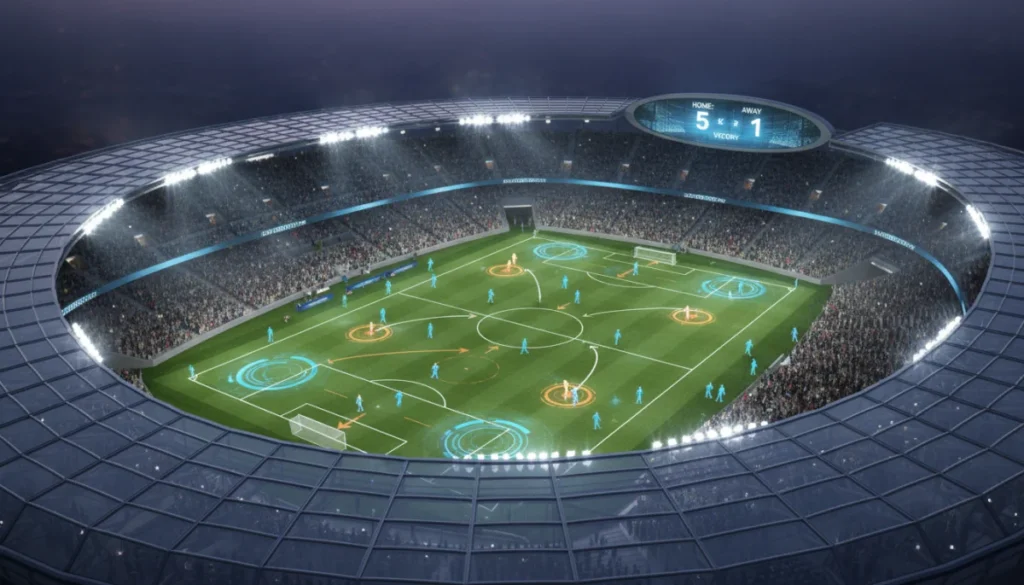
By 2026, top European football clubs are significantly evolving their attacking formations, resulting in a 15% increase in goal conversion rates through innovative tactical shifts and player utilization.
The world of football is constantly shifting, and by 2026, we’re witnessing a profound transformation. This article delves into The 2026 Tactical Evolution: How Top European Clubs Are Adapting to New Attacking Formations with a 15% Increase in Goal Conversion, exploring the innovative strategies driving this exciting change.
The Dawn of Dynamic Attacking Systems
The traditional rigid formations of football are rapidly becoming relics of the past. European clubs, driven by data analytics and advanced player scouting, are embracing fluid, dynamic attacking systems designed to exploit every inch of the pitch and every moment of possession. This shift isn’t merely cosmetic; it’s a fundamental rethinking of how goals are created and converted.
Gone are the days when a striker stayed rooted to the central channel or wingers hugged the touchline exclusively. Modern attacking plays involve constant interchange, positional rotations, and a collective understanding that blurs the lines between traditional roles. This adaptability is key to unlocking stubborn defenses and creating numerical advantages in critical areas.
The Rise of Hybrid Formations
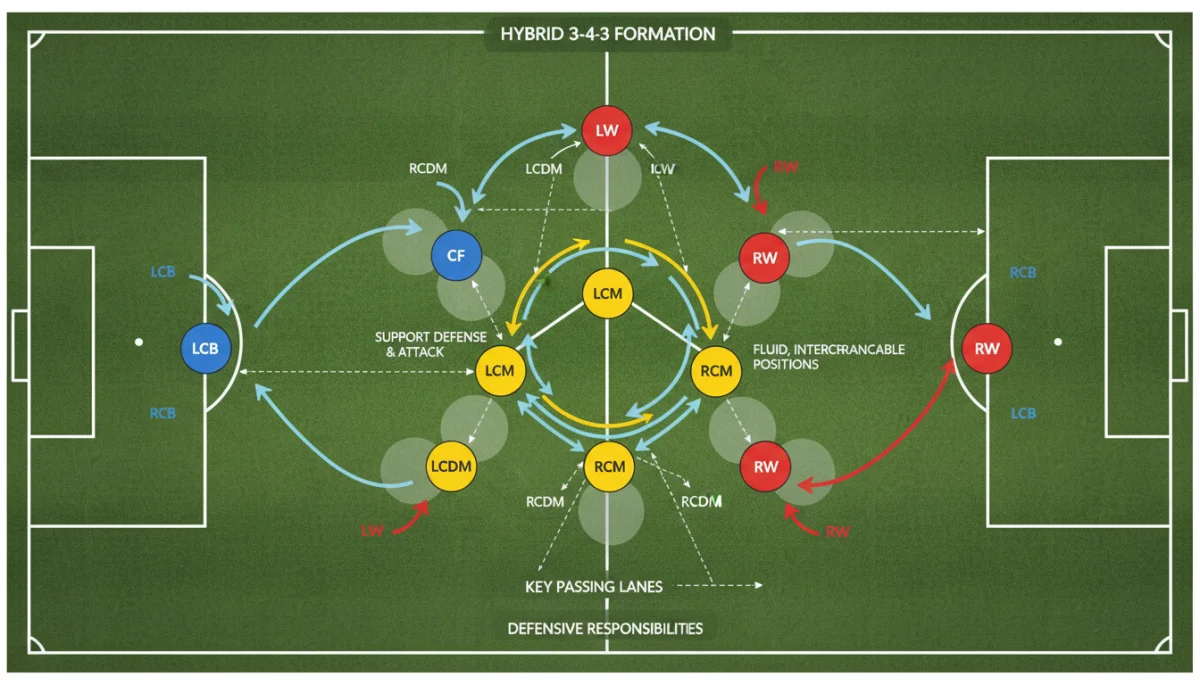
One of the most striking developments is the proliferation of hybrid formations. These aren’t simply variations of existing systems; they are bespoke tactical blueprints tailored to specific opponents and player strengths. Clubs are no longer bound by classic 4-3-3 or 4-4-2 structures but are instead building fluid frameworks that can morph in real-time.
- 3-4-3 variations: Often transitioning into a 3-2-5 or 3-diamond-3 in attack, providing width and central overload.
- False Nines and Tens: Players designated as central attackers or playmakers often drop deep or drift wide, pulling defenders out of position.
- Inverted Fullbacks: Fullbacks now frequently move into central midfield positions during build-up play, offering additional passing options and defensive cover.
The emphasis is on creating unpredictable movement patterns that disrupt opposition marking schemes. This tactical fluidity demands highly intelligent and versatile players who can operate effectively in multiple roles throughout a match. The continuous evolution of these systems contributes significantly to the increased goal-scoring efficiency we’re observing.
In essence, the tactical landscape has become a chess match played at breakneck speed, where formations are less about fixed positions and more about dynamic relationships between players. This constant evolution is a testament to the strategic depth now prevalent in top-tier European football.
Data-Driven Offenses: Precision in Every Pass
The 15% increase in goal conversion isn’t solely due to new formations; it’s heavily influenced by the sophisticated application of data analytics in attacking phases. Clubs are investing heavily in technologies that track every player movement, pass, and shot, providing invaluable insights into offensive efficiency and areas for improvement.
Expected Goals (xG) metrics, once a niche analytical tool, are now fundamental to tactical planning. Coaches use xG to identify high-probability shooting positions, analyze attacking patterns that generate quality chances, and even guide player recruitment. This data-driven approach allows teams to prioritize creating chances from locations where conversion is statistically most likely.
Optimizing Shot Selection and Placement
Training sessions are increasingly geared towards optimizing shot selection. Players are coached on recognizing moments when a shot has a high xG value, rather than simply taking speculative efforts. This includes understanding angles, goalkeeper positioning, and defensive pressure.
- High-Probability Zones: Training emphasizes getting the ball into central areas just inside the penalty box.
- First-Time Finishes: Drills focus on quick, decisive finishing to limit goalkeeper reaction time.
- Shot Placement Analysis: Goalkeeper tendencies and weaknesses are extensively analyzed to guide shot placement rather than brute force.
Beyond individual shot selection, data also informs collective attacking movements. Heatmaps of successful attacking sequences reveal preferred channels for penetration, optimal crossing positions, and effective cut-back zones. This level of detail allows coaches to refine their attacking drills and tactical instructions with unprecedented precision.
The marriage of tactical innovation with robust data analysis has created a virtuous cycle. New formations generate new data, which in turn refines the formations and attacking principles, leading to ever greater efficiency in front of goal. This continuous feedback loop is a hallmark of modern elite football.
The Role of Positional Play and Rotations
Positional play, or ‘Juego de Posición,’ has evolved beyond simple possession-based football into a complex system of coordinated movements designed to manipulate space and create numerical advantages. Top European clubs are mastering this art, using intricate rotations to disorganize defenses and open up clear pathways to goal.
The objective is not just to keep the ball, but to move the ball with a purpose, drawing opponents out of position and creating ‘free’ players in dangerous areas. This requires exceptional technical ability, tactical intelligence, and a deep understanding of spatial relationships on the pitch. Players must instinctively know where their teammates are and where the space will open up next.
Creating Overloads and Underloads
Tactical rotations are specifically designed to create numerical overloads in attacking zones, forcing defenders to make difficult choices. Simultaneously, underloads can be created in other areas to stretch the opposition defense horizontally or vertically.
- Midfield Diamonds: Players form temporary midfield diamonds to create passing triangles and bypass pressing lines.
- Wing-Back Overlaps: Aggressive overlapping runs from wing-backs provide width and an additional attacking threat from deep.
- Central Defender carries: Ball-playing central defenders are encouraged to carry the ball into midfield, drawing opponents and initiating attacks from unexpected positions.
This constant shifting of positions and responsibilities makes it incredibly difficult for opposing teams to mark effectively. Defenders are often left chasing shadows, or making split-second decisions that can be exploited. The result is more space and time for attackers in crucial areas, directly contributing to the higher conversion rates.
The beauty of this system lies in its unpredictability. While there are underlying principles, the execution is fluid and adapts to the flow of the game, making it a formidable challenge for any defense to contain. It represents the pinnacle of collective attacking intelligence.
Impact of Player Versatility and Technical Quality
The tactical evolution demands a new breed of footballer: one who is not only technically gifted but also highly versatile and tactically astute. European clubs are prioritizing players who can operate effectively in multiple positions and adapt to changing systems within a single match. This versatility is a cornerstone of the 15% increase in goal conversion.
Players are no longer specialists in a single role. A modern midfielder might be expected to contribute to defensive pressing, orchestrate attacks from deep, make late runs into the box, and even cover at full-back if the tactical situation demands it. This multi-faceted skill set allows coaches to implement more complex and fluid formations without sacrificing defensive solidity or attacking prowess.
Training for Tactical Flexibility
Youth academies and first-team training programs are being redesigned to foster this tactical flexibility. Emphasis is placed on developing a holistic understanding of the game, rather than just mastering a specific position. Small-sided games with constantly changing rules or objectives are common, forcing players to adapt on the fly.
- Cognitive Drills: Training exercises incorporate decision-making under pressure, improving players’ ability to read the game.
- Multi-Positional Training: Players are regularly rotated through different positions during training to build familiarity and comfort.
- Physical Conditioning: Modern footballers require exceptional stamina and agility to maintain high intensity across various roles for 90 minutes.
The technical quality of players has also reached unprecedented levels. The ability to control the ball in tight spaces, execute precise passes under pressure, and finish clinically from various angles is now a prerequisite for playing at the elite level. This combination of technical finesse and tactical intelligence is what truly unlocks the potential of these new attacking formations.
Ultimately, the success of these advanced tactics hinges on the caliber of the players executing them. Investment in talent identification and development is more crucial than ever, as clubs seek to cultivate the next generation of tactically versatile superstars.
Pressing Schemes and Transitional Play
The tactical revolution isn’t confined to attacking formations in possession; it extends to how teams win the ball back and transition into attack. High-intensity pressing schemes are now intrinsically linked with offensive success, as winning the ball high up the pitch provides immediate opportunities to convert. This aggressive defensive approach directly contributes to the observed increase in goal conversion.
The moment possession is lost, teams immediately switch into a coordinated pressing structure, aiming to recover the ball as quickly as possible, preferably in dangerous areas. This ‘gegenpressing’ or counter-pressing strategy creates chaotic situations for the opposition, who are often caught out of shape and vulnerable to quick, incisive attacks.
Exploiting Transitional Moments
The period immediately after winning possession is often the most opportune time to score. Opponents are typically disorganized, with players out of position and lacking defensive structure. Top clubs are meticulously training their players to recognize and exploit these transitional moments with devastating efficiency.
- Immediate Forward Passes: Players are encouraged to look for quick, vertical passes to advance the ball into dangerous areas.
- Attacking Runs from Deep: Midfielders and even defenders are coached to join the attack rapidly, creating numerical superiority.
- Clinical Finishing: The speed of transition demands composed and clinical finishing from attackers who might have less time and space.
This seamless transition from defense to attack is a hallmark of modern elite football. It requires not only exceptional physical conditioning but also a collective tactical understanding and quick decision-making from every player on the pitch. The ability to turn defensive actions into immediate attacking threats is a significant factor in the boosted goal conversion rates.
The relentless nature of this approach means that opponents are under constant pressure, both with and without the ball, leading to errors that can be ruthlessly punished. This aggressive, proactive style of play is a defining characteristic of the 2026 tactical landscape.
The Future Outlook: Continuous Innovation
The 2026 tactical evolution is far from its endpoint; it represents a continuous cycle of innovation and adaptation. As teams develop new attacking formations and strategies, opponents will inevitably find ways to counter them, prompting further evolution. This dynamic interplay ensures that the tactical landscape of European football will remain exciting and unpredictable.
Emerging technologies, such as enhanced AI analysis and virtual reality training, are set to play an even greater role in shaping future tactics. These tools will offer coaches unprecedented insights into player performance, opponent weaknesses, and the effectiveness of various tactical approaches, further refining the art of goal conversion.
Anticipating Future Trends
While predicting the exact future of football tactics is challenging, several trends are likely to continue and intensify:
- Hyper-Specialized Player Roles: Despite the emphasis on versatility, some roles may become even more specialized, focusing on unique attributes.
- Adaptive Formations: Systems that can seamlessly switch between multiple formations within a single passage of play will become more prevalent.
- Mental Fortitude: The increasing complexity of tactics will place a higher demand on players’ cognitive abilities and psychological resilience.
The pursuit of the perfect attacking system, one that maximizes goal conversion while maintaining defensive solidity, is an ongoing quest for every top club. The 15% increase we’ve seen by 2026 is a testament to the dedication and ingenuity of coaches, analysts, and players across Europe.
Ultimately, the beautiful game continues to evolve, pushing the boundaries of what’s possible on the pitch. Fans can look forward to even more exhilarating, high-scoring matches as clubs continue to innovate and perfect their attacking philosophies.
| Key Tactical Shift | Impact on Goal Conversion |
|---|---|
| Dynamic Attacking Systems | Increased unpredictability and creation of numerical advantages. |
| Data-Driven Offenses | Optimized shot selection and higher quality chance creation. |
| Player Versatility | Greater tactical flexibility and adaptation to game situations. |
| Aggressive Pressing | More high-probability scoring chances from turnovers. |
Frequently Asked Questions About 2026 Football Tactics
The increase is primarily driven by the adoption of dynamic, hybrid attacking formations, sophisticated data analytics for shot optimization, enhanced player versatility, and aggressive, coordinated pressing schemes that create more high-quality scoring opportunities.
Hybrid formations are fluid and adapt in real-time, often morphing from one structure to another during possession. Unlike rigid traditional systems, they prioritize creating positional overloads and exploiting space through constant player interchange and role flexibility.
Data analytics, particularly Expected Goals (xG), guides tactical planning by identifying high-probability shooting positions and effective attacking patterns. It optimizes shot selection and placement, ensuring teams create and convert chances from statistically advantageous areas.
Player versatility is essential because modern tactics demand individuals capable of operating effectively in multiple positions and adapting to changing roles within a match. This allows for greater tactical fluidity and the execution of complex, dynamic attacking systems.
High-intensity pressing aims to win the ball back quickly in advanced areas, often catching opponents out of shape. These immediate turnovers create chaotic transitional moments, offering direct, high-probability scoring opportunities that significantly boost goal conversion.
Conclusion
The tactical landscape of European football by 2026 is a testament to relentless innovation and strategic brilliance. The remarkable 15% increase in goal conversion is not an accident but the direct result of a multifaceted evolution encompassing dynamic formations, data-driven precision, unparalleled player versatility, and aggressive transitional play. As the game continues to push boundaries, fans can anticipate even more exhilarating football, characterized by intelligent movement, clinical finishing, and a constant quest for tactical supremacy.
