The Greatest Strikers in Soccer History
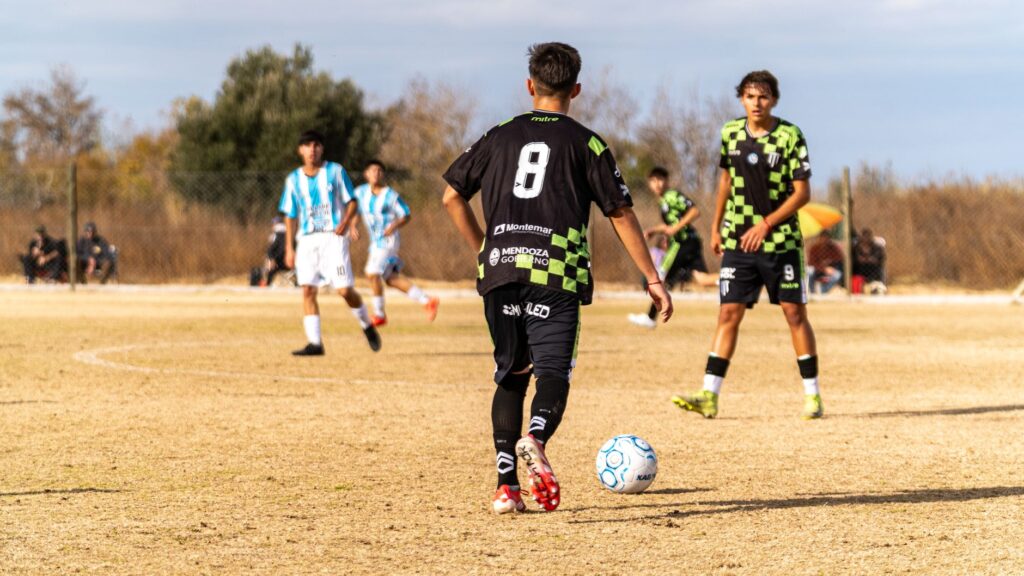
Every era of soccer produces strikers who redefine what’s possible in front of goal. Comparing them across generations is never simple — the game itself has changed dramatically in pace, tactics, and physical demands — but certain forwards have left such an undeniable mark on the sport that their names transcend the debate entirely. Here’s a look at what separates the truly legendary strikers from the merely great.
What Makes a Striker Legendary
Raw goal totals matter, but they only tell part of the story. The strikers remembered decades later combined finishing ability with something more: an instinct for finding space, the composure to perform on the biggest stages, and often the versatility to adapt their game as their body and the sport around them changed. Longevity also plays a role — sustaining elite output across more than a decade requires a level of professionalism and physical conditioning that separates the greats from players who burned brightly but briefly.
The Complete Forwards
Some strikers built their legacy on being nearly impossible to stop through sheer technical completeness — capable of scoring with either foot, winning aerial duels, holding up play for teammates, and still possessing the pace to run in behind a defense. These all-around forwards often became the focal point of their team’s entire attacking structure, dragging defenders out of position simply by their presence on the pitch.
The Pure Poachers
Other legendary strikers built their reputation on an almost supernatural instinct for being in the right place at the right time. These poachers weren’t always the most technically gifted with the ball at their feet, but their positioning inside the penalty area, their timing of runs to beat the offside line, and their composure in one-on-one situations with the goalkeeper made them lethally efficient finishers, often outscoring more technically flashy forwards over a full season.
The Record-Breakers of the Modern Era
The last two decades have seen goal-scoring records shattered at a pace that would have seemed impossible in earlier generations, driven partly by improved sports science, nutrition, and recovery methods that have extended careers and improved consistency. Strikers competing today benefit from data-driven insights into opponent tendencies and defensive positioning that simply didn’t exist for earlier generations, allowing for more efficient shot selection and positioning.
Adapting Across Eras
Part of what makes the greatest strikers so impressive is their ability to evolve their game as they age. Pure speed and explosiveness inevitably decline over a career, and the forwards who remained elite into their thirties typically did so by reinventing themselves — dropping deeper to link play, relying more on positioning and experience than pace, or developing a stronger aerial game to compensate for reduced burst.
Why the Debate Never Ends
Comparing strikers across different leagues, eras, and tactical systems is inherently difficult. A striker who scored prolifically in an era of more open, less organized defending faces different challenges than one navigating today’s heavily drilled, data-optimized defensive lines. Similarly, strikers who played in run-heavy, physical leagues developed different skill sets than those who thrived in possession-based systems built around intricate passing combinations.
This is exactly why the conversation about soccer’s greatest-ever strikers remains one of the sport’s most enduring debates. Every generation of fans champions the forwards they watched live, while older supporters insist nothing since has matched the strikers of their own formative years. What’s certain is that the position continues to evolve, and each era produces at least a handful of forwards whose finishing, movement, and big-game composure earn them a permanent place in the conversation.
