ACL 2026: New Calendar Impacts Player Fitness & Squads

The Asian Champions League 2026’s revised calendar introduces significant challenges and opportunities, directly impacting player fitness and demanding innovative squad rotation strategies from participating clubs across Asia.
The landscape of Asian club football is on the cusp of a significant transformation with the impending changes to the Asian Champions League (ACL) calendar for 2026. This overhaul isn’t merely a tweak; it represents a fundamental shift that will inevitably redefine how clubs approach player management, tactical planning, and competitive sustainability. For fans and analysts alike, understanding how the new calendar will influence ACL 2026 calendar impact on player fitness and squad rotation is crucial to anticipating the tournament’s future dynamics.
Understanding the new ACL 2026 calendar
The AFC’s decision to revamp the Champions League schedule for 2026 stems from a desire to align more closely with global football calendars and enhance the tournament’s commercial appeal. This strategic realignment aims to reduce fixture congestion, improve player welfare, and potentially attract more international viewership.
Previously, the ACL often ran in a manner that created significant clashes with domestic league schedules, forcing clubs to juggle priorities and often leading to player burnout. The new framework seeks to mitigate these issues, promising a more streamlined and coherent competition structure.
Key structural changes and their rationale
The primary adjustments involve shifting the tournament’s start and end dates, potentially creating longer breaks between specific phases of the competition. This move is designed to offer clubs greater flexibility in managing their squads and allowing players more adequate recovery time. The rationale is multifaceted:
- Player welfare: Reducing the intensity of back-to-back matches across multiple competitions.
- Global alignment: Synchronizing with FIFA international breaks and major European league schedules.
- Commercial appeal: Creating clearer windows for broadcasting and sponsorship opportunities without overlapping with other major football events.
The new calendar aims to strike a delicate balance between competitive intensity and athlete well-being, a challenge that has long plagued football administrators globally. While the intentions are clear, the practical implications for clubs will be profound, especially concerning how they prepare and maintain their squads throughout the extended season.
Direct impact on player fitness and injury prevention
Player fitness is the bedrock of any successful football campaign, and the new ACL calendar directly influences this critical aspect. With potentially longer periods between matches, clubs might initially perceive this as an advantage for recovery. However, the nature of these breaks and the overall season length will dictate the true impact.
Extended seasons often lead to a higher cumulative fatigue load, even with more rest days between individual games. The challenge for medical and conditioning staff will be to optimize training regimes that maintain peak physical condition without pushing players into overload.
Managing cumulative fatigue
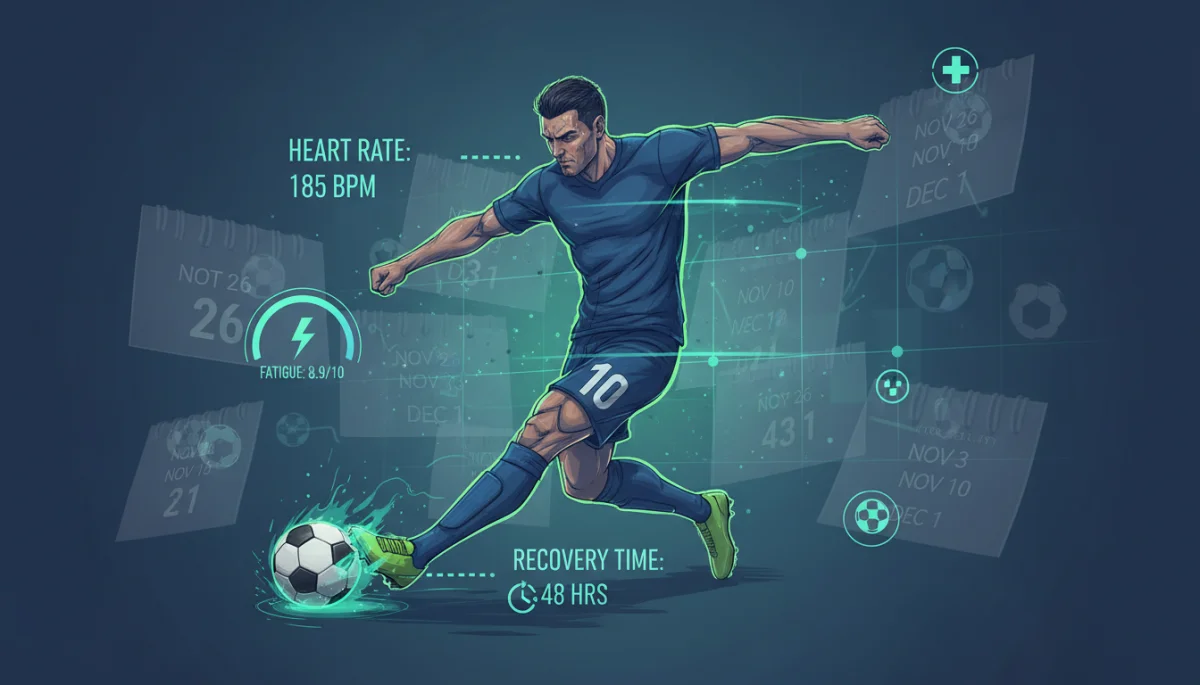
Cumulative fatigue is a silent threat in modern football. It builds up over weeks and months, increasing injury risk and diminishing performance. The new calendar, while offering some respite, might also extend the competitive window, meaning players are subjected to high-intensity football for a more prolonged duration each year.
- Advanced monitoring: Clubs will rely heavily on GPS tracking, heart rate monitors, and sleep analysis to quantify player load.
- Personalized recovery plans: Tailored nutrition, physiotherapy, and psychological support will become even more critical.
- Pre-season and mid-season adjustments: Training camps and friendly matches will need careful scheduling to build and maintain fitness.
Preventing injuries is paramount, not just for individual player careers but for a club’s overall success. A single key injury can derail an entire season. The new calendar demands a proactive, rather than reactive, approach to player health, integrating sports science deeply into daily operations.
Evolving squad rotation strategies
The new ACL calendar will undoubtedly force clubs to rethink their squad rotation strategies. Gone are the days when a core group of 11-14 players could consistently carry the team through multiple competitions. The increased demands and potential for longer seasons necessitate deeper, more versatile squads.
Coaches will need to master the art of rotating players without sacrificing competitive edge. This involves not only giving key players rest but also ensuring that fringe players are match-fit and capable of stepping up when called upon. The depth of a squad will become a defining factor in who ultimately lifts the ACL trophy.
The rise of versatile players and tactical flexibility
In a demanding calendar, players who can perform competently in multiple positions offer invaluable flexibility. This versatility allows coaches to rotate players more effectively without needing to make wholesale changes to the team’s tactical structure. For instance, a midfielder who can also play as a full-back or an attacking winger who can operate as a false nine becomes a prized asset.
- Investment in youth academies: Developing a strong pipeline of young talent capable of transitioning into the first team.
- Strategic transfers: Targeting players with high versatility and adaptability to different systems.
- Pre-planned rotation cycles: Implementing a systematic approach to resting and rotating players based on their physical data and upcoming fixtures.
Successful squad rotation is not just about having many players; it’s about having the right mix of talent, experience, and physical readiness. The new calendar will reward clubs that have invested wisely in their squad depth and tactical preparation, allowing them to sustain high performance levels throughout the entire season.
The psychological toll and mental well-being
Beyond the physical demands, the relentless nature of elite football, exacerbated by calendar changes, takes a significant psychological toll on players. Constant travel, high-pressure situations, and extended periods away from home can lead to mental fatigue, stress, and even burnout. The new ACL calendar, with its potentially fragmented schedule, presents both new challenges and opportunities for addressing player mental well-being.
While longer breaks might seem beneficial, they can also disrupt routines and rhythm, requiring players to constantly readjust. Clubs must therefore integrate robust psychological support mechanisms into their player management strategies to ensure holistic well-being.
Strategies for mental resilience
Building mental resilience is as important as physical conditioning. Players need coping mechanisms to handle the pressures of elite competition and the demands of a revised schedule. This involves a multi-faceted approach:
- Access to sports psychologists: Providing professional support for stress management, performance anxiety, and mental recovery.
- Team bonding and support networks: Fostering a strong team environment where players feel supported by their peers and coaching staff.
- Work-life balance initiatives: Encouraging players to disconnect from football during designated rest periods and spend quality time with family.
The mental aspect of the game is often overlooked but is crucial for sustained performance. Clubs that prioritize the psychological health of their players will be better equipped to navigate the complexities of the new ACL calendar, ensuring their athletes remain sharp and focused throughout the season.
Logistical challenges and travel demands
The Asian Champions League, by its very nature, involves extensive travel across a vast continent. The new calendar, while aiming for better alignment, could still present significant logistical challenges, particularly concerning travel demands. Long-haul flights, time zone changes, and varying climates can all contribute to player fatigue and disrupt recovery protocols.
Clubs will need to meticulously plan their travel arrangements, ensuring optimal conditions for players during transit and upon arrival. This includes everything from flight timings and seating arrangements to accommodation and dietary provisions.
Optimizing travel and acclimatization
Efficient travel logistics are critical to minimizing the impact of long journeys on player performance. This goes beyond simply booking flights; it involves a strategic approach to travel management:
- Charter flights: Whenever feasible, chartering flights can significantly reduce travel time and allow for more flexible scheduling.
- Advance party: Sending an advance team to prepare accommodation, training facilities, and dietary needs at away venues.
- Acclimatization protocols: Implementing specific routines for adjusting to new time zones and environmental conditions, especially for critical matches.
Managing the logistical nightmare of continental travel effectively will be a key differentiator for clubs competing in the ACL. Those who master this aspect will give their players the best possible chance to perform at their peak, regardless of where the match is played.
Adapting coaching philosophies and tactical approaches
The changes to the ACL calendar will not only affect player management but also necessitate a reevaluation of coaching philosophies and tactical approaches. Coaches will need to be more adaptable, innovative, and strategic in how they prepare their teams for the various phases of the competition.
The ability to switch between different tactical systems, adjust to varying opponent styles, and maintain consistent performance levels throughout an extended and fragmented season will be crucial. This demands a higher level of tactical intelligence and flexibility from the coaching staff.
Embracing data analytics and technology
Modern football increasingly relies on data analytics to inform decision-making. The new calendar will amplify this reliance, with clubs leveraging technology to gain a competitive edge:
- Performance analysis: Utilizing video analysis and statistical data to identify strengths, weaknesses, and tactical patterns.
- Opposition scouting: Employing advanced scouting techniques to thoroughly analyze upcoming opponents and formulate effective game plans.
- Simulation and scenario planning: Using virtual tools to simulate match conditions and prepare players for different tactical scenarios.
Coaching staffs that embrace a data-driven approach and demonstrate tactical flexibility will be best positioned to succeed in the new ACL era. The ability to adapt quickly and make informed decisions based on comprehensive data will be a significant advantage in maintaining competitive consistency.
| Key Aspect | Impact of New ACL 2026 Calendar |
|---|---|
| Player Fitness | Demands enhanced recovery protocols and careful management of cumulative fatigue over an extended season. |
| Squad Rotation | Requires deeper, more versatile squads and strategic rotation to maintain competitive edge and reduce injury risk. |
| Mental Well-being | Increased need for psychological support and work-life balance initiatives to combat stress and burnout. |
| Tactical Adaptability | Coaching staff must employ flexible strategies and leverage data analytics for optimal performance throughout the varied schedule. |
Frequently asked questions
The revised calendar aims to provide longer breaks between certain competition phases. While this offers more recovery time, the extended overall season may lead to higher cumulative fatigue, necessitating more sophisticated and personalized recovery protocols from clubs.
The AFC intends to align the ACL more closely with global football calendars, reduce fixture congestion, and enhance player welfare. This strategic shift also seeks to boost the tournament’s commercial appeal by creating clearer broadcasting windows.
Yes, the increased demands and potentially longer competitive periods will necessitate deeper and more versatile squads. Coaches will rely heavily on effective squad rotation to manage player fitness and prevent injuries without compromising performance.
Clubs should integrate robust psychological support, including access to sports psychologists and strong team support networks. Encouraging work-life balance during rest periods is crucial to combat mental fatigue and stress from constant travel and pressure.
Data analytics will be crucial for monitoring player load, optimizing training, and informing tactical decisions. Clubs will leverage performance analysis, opposition scouting, and scenario planning to gain a competitive edge and adapt quickly to the varied schedule.
Conclusion
The Asian Champions League 2026 calendar represents a pivotal moment for Asian club football. While designed to enhance player welfare and global alignment, it introduces complex challenges that demand sophisticated responses from clubs. Success will hinge not just on raw talent, but on meticulous planning, innovative player management, and adaptable coaching philosophies. The teams that best navigate the intricacies of player fitness, smart squad rotation, and mental well-being in this new era will undoubtedly emerge as the dominant forces in Asia’s premier club competition.
