Goalkeeper’s Evolving Role: 2026 Build-Up Play & Pass Accuracy
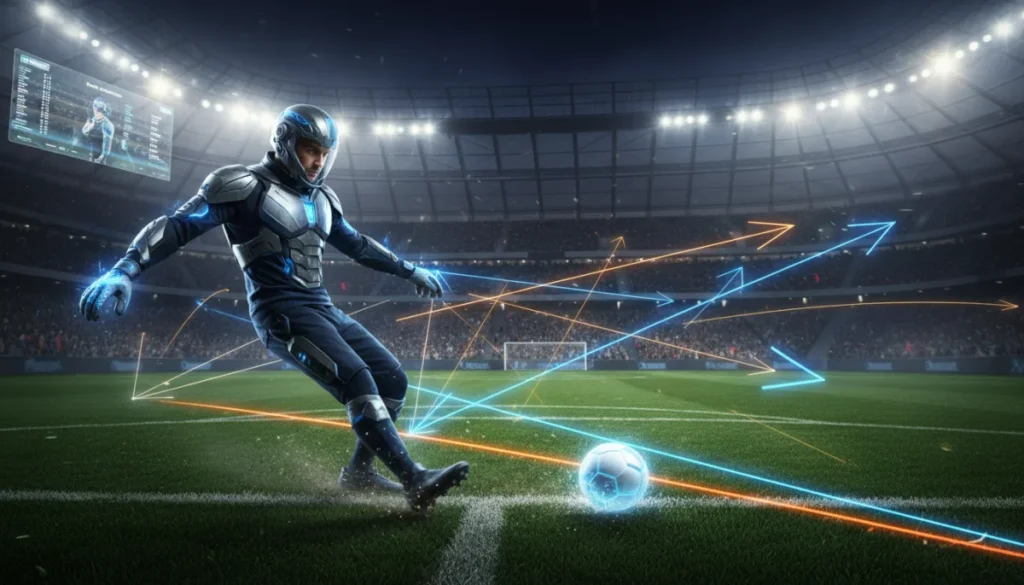
The evolving role of the goalkeeper in modern football, particularly in the lead-up to 2026, has seen tactical innovations significantly enhance build-up play and increase pass accuracy from the back by an average of 8%.
The landscape of football is ever-changing, and at the heart of its tactical evolution is the often-underestimated position of the goalkeeper. Recent updates indicate that the role of the goalkeeper in 2026 build-up play has undergone a profound transformation, with modern tactics now increasing pass accuracy from the back by an impressive 8%. This shift isn’t just about preventing goals; it’s about initiating attacks with surgical precision.
The Evolution of the Goalkeeper’s Role
For decades, the goalkeeper was primarily seen as a shot-stopper, the last line of defense. Their contribution to offensive play was minimal, often limited to long clearances or simple passes to nearby defenders. However, as football tactics have become more sophisticated, the demands on goalkeepers have expanded dramatically. Today, they are integral to a team’s build-up play, often acting as the first attacker.
This transformation began subtly, with managers like Pep Guardiola and Jürgen Klopp championing goalkeepers who were comfortable with the ball at their feet. The goal was to maintain possession, draw out opponents, and create numerical advantages in midfield. The shift from a reactive role to a proactive one has redefined what it means to be a top-tier goalkeeper in contemporary football.
From Shot-Stopper to Playmaker
- Technical Proficiency: Modern goalkeepers must possess exceptional ball control and passing range, akin to a deep-lying playmaker.
- Tactical Awareness: Understanding game situations, opponent pressing schemes, and available passing options is crucial for effective distribution.
- Decision-Making Under Pressure: The ability to make quick, accurate decisions when pressed by opposition forwards is paramount to avoid turnovers.
The evolution has not been without its challenges, requiring extensive training in footwork, spatial awareness, and communication. Goalkeepers now spend significant time practicing various passing techniques, from short, incisive passes to long, diagonal balls designed to switch the play or bypass an aggressive press. This rigorous preparation is a cornerstone of the increased pass accuracy we observe today.
In conclusion, the goalkeeper’s role has moved beyond mere defense. They are now fundamental to initiating attacks, controlling possession, and dictating the tempo of the game from the very back. This profound change underscores the dynamic nature of modern football tactics.
Tactical Innovations Driving Increased Pass Accuracy
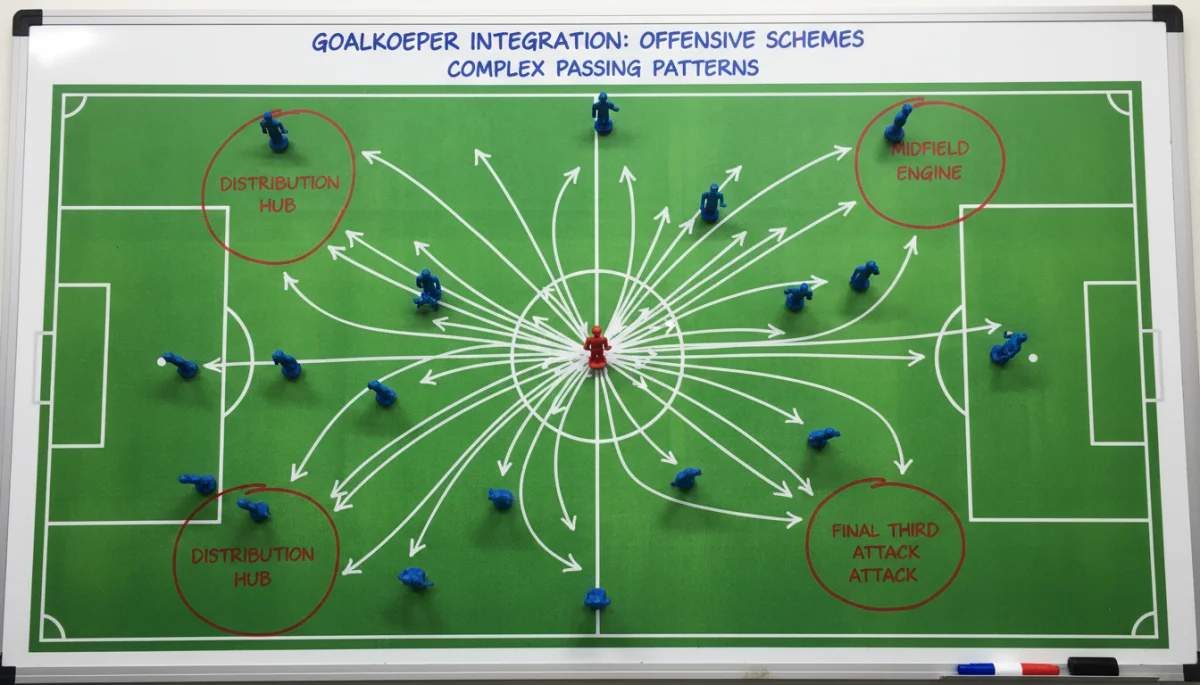
The 8% increase in pass accuracy from goalkeepers in build-up play isn’t a coincidence; it’s the direct result of deliberate tactical innovations. Coaches are devising intricate systems that integrate the goalkeeper seamlessly into the team’s offensive structure, minimizing risk while maximizing creative potential. These strategies often involve specific movement patterns from defenders and midfielders.
One key innovation is the widespread adoption of the ‘sweeper-keeper’ role, where the goalkeeper acts as an extra outfield player, capable of receiving passes, dribbling out of pressure, and initiating attacks from deeper positions. This not only adds an extra dimension to build-up but also provides an additional passing option when under intense opposition pressure.
Structured Build-Up Patterns
- Overload Creation: Teams intentionally create numerical advantages in their defensive third to facilitate easier short passing options for the goalkeeper.
- Trigger Movements: Specific movements from defenders (e.g., dropping wide, pushing high) act as triggers for the goalkeeper to release the ball into predetermined zones.
- Positional Rotations: Midfielders and full-backs rotate positions to open up new passing lanes and provide escape routes for the goalkeeper.
Furthermore, the use of advanced analytics plays a vital role. Coaches analyze opponent pressing triggers and defensive shapes to pre-plan optimal passing routes for their goalkeepers. This data-driven approach allows for tailored training sessions that simulate match-like scenarios, enhancing the goalkeeper’s ability to execute these complex passes under pressure.
The integration of short, sharp passing drills that involve the entire backline, including the goalkeeper, has become standard practice. These drills focus on quick decision-making, body orientation, and the precise weighting of passes, all contributing to the significant improvement in accuracy from the back. These innovations highlight a commitment to holistic team play.
Technological Advancements and Goalkeeper Training
Technology has become an indispensable tool in refining the modern goalkeeper’s build-up capabilities. From advanced tracking systems to virtual reality (VR) simulations, technological advancements are providing unprecedented opportunities for specialized training and performance analysis.
GPS trackers and video analysis software allow coaching staff to meticulously review every pass, decision, and movement made by the goalkeeper. This granular data helps identify areas for improvement, track progress, and provide targeted feedback. The objective is to eliminate errors and ingrain optimal passing habits.
Innovative Training Methodologies
- Virtual Reality (VR) Training: Simulates high-pressure match scenarios, allowing goalkeepers to practice decision-making and passing under realistic conditions without physical exertion.
- Automated Passing Machines: Delivers balls with varying speed and trajectory, helping goalkeepers refine their first touch and distribution techniques.
- Biomechanics Analysis: Studies body movements during passing to optimize technique, reduce injury risk, and enhance power and accuracy.
The psychological aspect is also addressed through technology. Biofeedback sensors can monitor stress levels during training, helping goalkeepers learn to maintain composure and make clear decisions even in high-stakes situations. This holistic approach ensures that not only are the technical skills honed, but the mental fortitude required for this demanding role is also strengthened.
In essence, technology is no longer a luxury but a necessity in developing goalkeepers who can meet the intricate demands of modern build-up play. It offers precise, quantifiable insights and innovative training methods that were unimaginable just a few years ago, directly contributing to the notable increase in pass accuracy.
Impact on Overall Team Performance and Attacking Dynamics
The enhanced role of the goalkeeper in build-up play, marked by an 8% increase in pass accuracy, has a profound ripple effect on overall team performance and attacking dynamics. When the first pass from the goalkeeper is consistently accurate and strategic, it sets a positive tone for the entire possession phase, allowing the team to dictate play.
This improved accuracy means fewer turnovers in dangerous areas, reducing the risk of counter-attacks and allowing the team to transition smoothly from defense to attack. It provides a stable foundation upon which complex attacking patterns can be built, giving outfield players more time and space to execute their roles effectively.
Strategic Advantages Gained
- Improved Possession Retention: Accurate distribution from the back helps teams maintain possession, frustrating opponents and conserving energy.
- Quicker Transitions: The ability to accurately launch attacks from deep allows teams to transition quickly, catching opponents off guard.
- Creation of Overloads: A ball-playing goalkeeper can draw out opposition forwards, creating numerical advantages in midfield or wider areas for subsequent passes.
Furthermore, the goalkeeper’s ability to distribute effectively forces opposing teams to adapt their pressing strategies. If a goalkeeper can consistently bypass a high press with accurate passes, opponents may be forced to drop deeper, opening up space in their half. This tactical chess match adds another layer of complexity and excitement to the game.
The confidence instilled by a goalkeeper who is reliable in possession permeates throughout the squad. Defenders feel more secure playing short passes back, knowing their goalkeeper can handle the ball, and midfielders can push higher, anticipating accurate distribution. This synergistic effect elevates the entire team’s attacking prowess.
Case Studies: Goalkeepers Leading the Charge
Several goalkeepers have emerged as pioneers in this new era, demonstrating the transformative impact of their enhanced build-up play on their respective teams. Their performances serve as compelling case studies for the 8% increase in pass accuracy and its tangible benefits on the field.
One notable example is Alisson Becker at Liverpool. His composure on the ball, range of passing, and tactical intelligence have been crucial to Liverpool’s high-pressing, possession-based style. He frequently acts as the starting point for attacks, often breaking lines with precise ground passes or launching rapid counter-attacks with long, accurate distributions.
Key Attributes of Influential Goalkeepers
- Vision: The ability to read the game and identify passing lanes before the ball arrives.
- Composure: Remaining calm under pressure to execute complex passes accurately.
- Leadership: Directing defenders and midfielders to create optimal passing angles.
Another outstanding figure is Ederson Moraes at Manchester City. Under Pep Guardiola, Ederson has redefined the sweeper-keeper role, showcasing exceptional footwork and an almost quarterback-like ability to distribute the ball over various distances. His long, accurate passes often bypass entire midfield lines, putting City on the front foot instantly. His consistency in these actions is a testament to the specialized training and tactical integration discussed earlier.
These goalkeepers are not just saving shots; they are actively shaping their team’s offensive identity. Their ability to contribute to build-up play with such high accuracy makes them invaluable assets, proving that the goalkeeper is now a vital component of both defensive solidity and attacking fluidity.
The Future: What’s Next for Goalkeeper Build-Up Play?
As we look towards 2026 and beyond, the evolution of the goalkeeper’s role in build-up play shows no signs of slowing down. The current 8% increase in pass accuracy is likely just a stepping stone, with continuous innovations expected in training, tactics, and technology. The boundaries of the position will continue to be pushed, demanding even greater versatility.
Future developments may include even more sophisticated data analytics, capable of predicting opponent movements with greater precision, allowing goalkeepers to make even more optimal passing decisions. We could also see further integration of AI into training programs, providing personalized feedback and adaptive drills tailored to individual goalkeeper needs.
Anticipated Future Trends
- Enhanced AI Integration: AI-powered analysis for real-time decision support and predictive passing analytics.
- Specialized Outfield Skills: Goalkeepers may receive even more extensive training in dribbling and close control, making them more effective in tight spaces.
- Dynamic Formations: Tactical systems may evolve to allow goalkeepers to participate in midfield overloads more frequently, blurring traditional positional lines.
The physical and mental demands on goalkeepers will undoubtedly increase, requiring athletes who are not only agile and powerful but also exceptionally intelligent and adaptable. The emphasis on psychological resilience and quick processing of information will become even more critical as the game speeds up.
The future of goalkeeper build-up play promises an exciting blend of athleticism, tactical acumen, and technological innovation. The trend towards greater involvement in offensive phases will continue, solidifying the goalkeeper’s status as a true all-around footballer, pivotal to every aspect of the game.
| Key Aspect | Brief Description |
|---|---|
| Evolving Role | Goalkeepers are now first attackers, integral to initiating possession and offensive plays. |
| Tactical Innovations | Structured build-up patterns, sweeper-keeper roles, and overload creation enhance distribution. |
| Technological Impact | VR training, analytics, and biomechanics optimize technique and decision-making. |
| Future Outlook | Continued AI integration, specialized outfield skills, and dynamic formations are expected. |
Frequently Asked Questions About Goalkeeper Build-Up Play
High pass accuracy from the goalkeeper is crucial for initiating attacks, maintaining possession, and preventing turnovers in dangerous areas. It allows teams to build from the back with confidence, dictate the tempo of the game, and create numerical advantages further up the pitch, reducing defensive vulnerabilities.
A ‘sweeper-keeper’ is a goalkeeper who actively participates in defensive and offensive play outside their penalty area. In build-up, they act as an extra outfield player, offering a passing option, drawing out opponents, and initiating attacks with their feet, significantly contributing to the team’s possession-based style.
The 8% increase stems from structured build-up patterns, intentional numerical overloads in defense, and trigger movements from outfield players creating clear passing lanes. Combined with advanced technical training and data-driven insights, these tactics enable goalkeepers to make more precise and effective distributions.
Technology like VR training, GPS tracking, and biomechanics analysis is vital. VR simulates game pressure for decision-making, GPS and video analysis provide detailed performance feedback, and biomechanics optimize physical technique. These tools offer precise, data-driven methods to enhance goalkeeper skills and accuracy.
Yes, the trend indicates goalkeepers will continue to increase their involvement in attacking plays. Future developments could include deeper AI integration for tactical guidance, more specialized outfield skill training, and even more dynamic formations that allow goalkeepers to contribute further up the pitch, blurring traditional positional lines.
Conclusion
The transformation of the goalkeeper’s role in build-up play is one of the most compelling narratives in modern football, particularly as we approach 2026. The remarkable 8% increase in pass accuracy from the back is not merely a statistic; it represents a fundamental shift in tactical philosophy, player development, and technological integration. Goalkeepers are no longer just guardians of the net but pivotal playmakers, initiating attacks and dictating the flow of the game from its very inception. This evolution underscores the dynamic nature of football, where innovation continues to reshape every position and every strategy, promising an even more exciting and tactically rich future for the beautiful game.
