How the FIFA World Cup Format Works
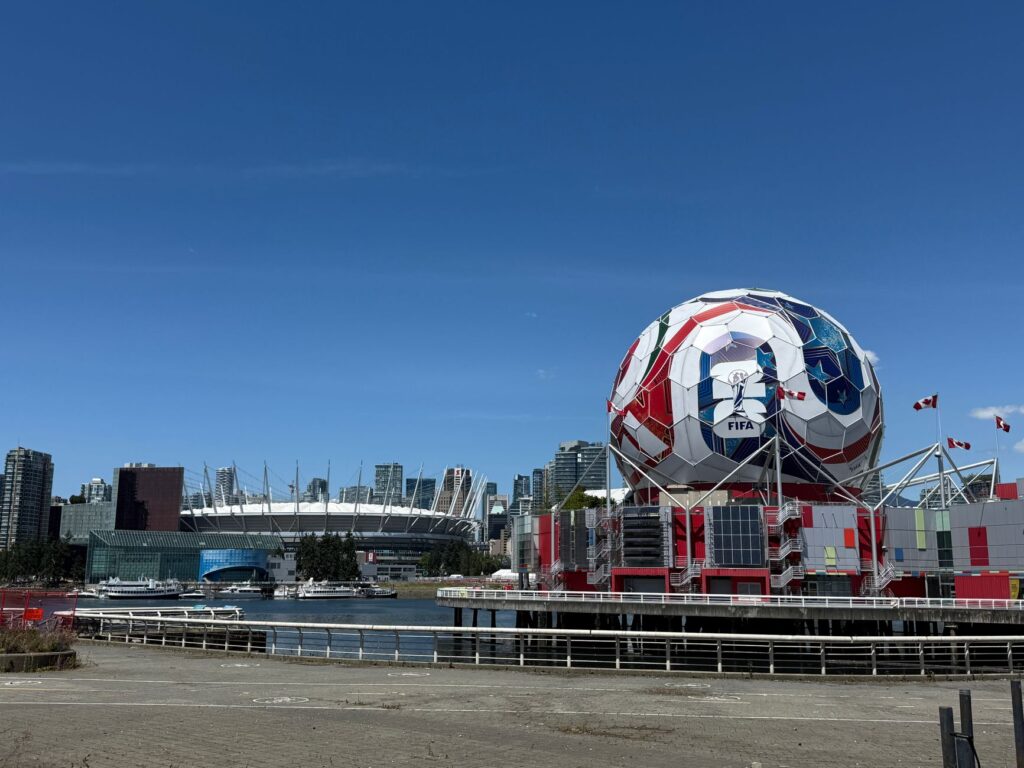
Every four years, the FIFA World Cup brings together the best national teams on the planet for a month-long tournament that captivates billions of fans. But behind the drama of penalty shootouts and last-minute winners lies a carefully engineered format designed to balance fairness, competitiveness, and spectacle. Understanding how teams get there — and how the tournament itself unfolds — makes watching the action even more rewarding.
The Long Road: Qualification
Before a single ball is kicked at the tournament itself, national teams spend nearly two years fighting for a spot. FIFA divides qualification by confederation — UEFA for Europe, CONMEBOL for South America, CONCACAF for North and Central America and the Caribbean, CAF for Africa, AFC for Asia, and OFC for Oceania. Each confederation runs its own qualifying competition, typically a mix of group play and playoffs, with a set number of berths allocated based on the relative strength and size of each region.
This is why Europe, with dozens of competitive nations, sends far more teams than Oceania, which usually earns just one guaranteed spot or a playoff chance. The host nation traditionally qualifies automatically, skipping the qualifying process entirely.
The Group Stage
Once the finalists are set, the tournament itself begins with a group stage. Teams are divided into groups — historically eight groups of four, though the field expanded significantly for the 2026 edition hosted across the United States, Mexico, and Canada, which features 48 teams organized into twelve groups of four.
In the group stage, every team plays each of the other teams in its group once. A win earns three points, a draw earns one point for each side, and a loss earns none. After all group matches conclude, the top teams in each group — traditionally the top two, though larger formats can advance more — move on to the knockout stage. Ties in points are broken using goal difference, goals scored, and head-to-head results, in that order, before other tiebreakers come into play.
The group stage matters enormously because it is the only phase where a team can afford a bad result and still advance. Coaches often use these matches to test lineups, manage fatigue, and scout upcoming opponents, all while trying to secure qualification with a game to spare if possible.
The Knockout Stage
From here, the tournament shifts into single-elimination mode. There are no second chances: lose, and you go home. The knockout bracket typically runs through a Round of 32 or Round of 16 (depending on the number of qualifiers), followed by the quarterfinals, semifinals, a third-place playoff, and finally the championship match.
Knockout matches that end in a draw after 90 minutes move to extra time — two additional 15-minute periods. If the score remains level after extra time, the match is decided by a penalty shootout, one of the most nerve-wracking spectacles in sport.
Why the Format Rewards Balance
Teams that advance deep into the World Cup are rarely the flashiest on paper; they’re often the most balanced. The format punishes one-dimensional sides because a knockout match against a well-organized defense can neutralize even the most explosive attack. Squad depth also becomes critical, since a grueling schedule of matches every few days wears down starting elevens, and suspensions from accumulated yellow cards can force coaches into late tactical adjustments.
The Final and Beyond
The World Cup Final is played at a neutral, pre-selected stadium within the host nation, giving neither finalist a true home-field advantage. The winner lifts the trophy — a gold-plated statuette awarded to the champion, who then holds the title for the next four years until the cycle begins again.
Understanding this structure helps explain some of the sport’s most memorable moments: why a group-stage draw can still be a relief, why extra time feels so different in tension from regular play, and why penalty shootouts have decided so many finals throughout history. The format isn’t just bureaucracy — it’s the framework that shapes every tactical decision a manager makes across the tournament.
