Premier League 2026: Tactical Shifts & Title Race Analysis
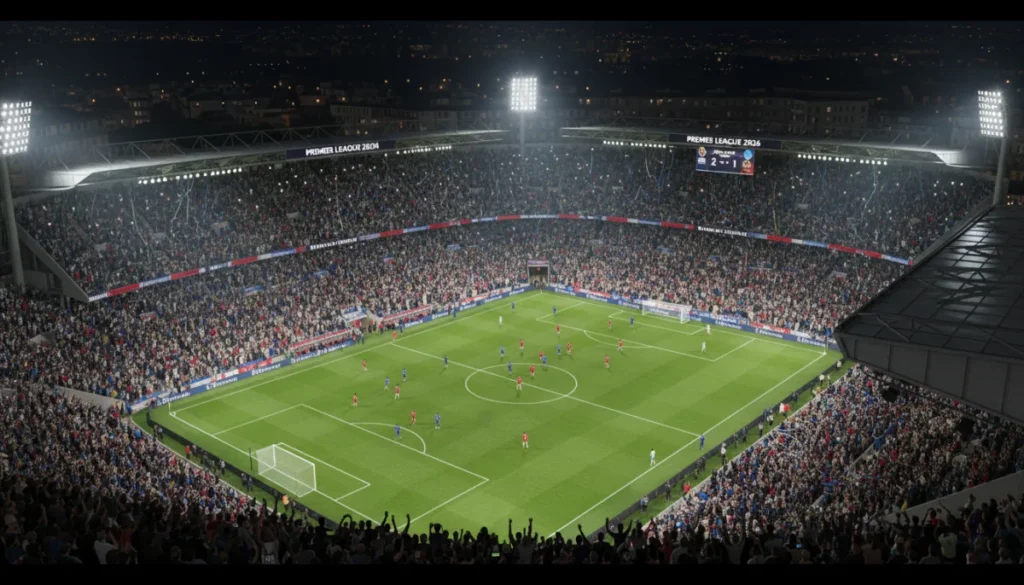
The Premier League 2026 title race will be defined by the intricate tactical shifts implemented by the top five contenders, as managers continuously innovate to secure a decisive competitive advantage.
As the football world turns its gaze towards the Premier League 2026 season, the perennial question of who will lift the coveted trophy looms large. This isn’t just about star players or monumental transfers anymore; it’s about the cerebral battleground where tactical ingenuity dictates destiny. Understanding the subtle yet profound shifts in team strategies is paramount to predicting the next champion.
The Evolving Landscape of Premier League Tactics
The Premier League has always been a hotbed of tactical innovation, and the 2026 season promises to elevate this to new heights. Managers are no longer content with static formations; instead, we’re witnessing a fluid approach where systems adapt mid-game, driven by data analytics and the specific challenges posed by opponents. This constant evolution demands versatile players and astute coaching.
The emphasis on high-intensity pressing remains, but its application has become more nuanced. Teams are now employing sophisticated pressing traps, forcing opponents into predictable areas before unleashing coordinated attacks. This requires immense physical conditioning and a deep understanding of collective movement from every player on the pitch.
The Rise of Hybrid Formations
Gone are the days of rigid 4-3-3 or 4-4-2 setups. The 2026 Premier League sees a proliferation of hybrid formations that seamlessly transition between defensive solidity and attacking fluidity. A team might start in what appears to be a 3-4-3, only to shift into a 4-2-3-1 during offensive phases, and then revert to a compact 5-3-2 when defending deep.
- Positional Flexibility: Players are expected to cover multiple roles, blurring the lines between traditional positions.
- Adaptive Systems: Formations are not fixed but are designed to respond to game states and opponent strengths.
- Midfield Overload: A common tactic involves creating numerical superiority in central areas to control possession and dictate tempo.
The tactical landscape of the Premier League in 2026 is a testament to the continuous pursuit of marginal gains. Every manager is seeking that elusive edge, and the ability to outthink and outmaneuver rivals through tactical innovation will be key to securing the title. This dynamic environment ensures every match is a chess game played at breakneck speed.
Manchester City: Guardiola’s Enduring Legacy and Adaptations
Manchester City, under Pep Guardiola, continues to be a benchmark for tactical excellence. In 2026, their dominance isn’t just about financial might, but about a relentless pursuit of perfection in their playing style. While their core philosophy of possession and control remains, Guardiola has shown a willingness to adapt, ensuring City stays ahead of the curve.
The evolution of their false nine system has seen new iterations, sometimes involving attacking midfielders dropping deep, other times a more traditional striker being integrated but with enhanced creative responsibilities. This unpredictability makes them incredibly difficult to defend against, as opposition defenses struggle to mark a moving target.
Fluidity in the Final Third
City’s attacking movements are a symphony of coordinated runs and passes. Wingers often invert, full-backs push high, and midfielders make late runs into the box. This creates a labyrinth of passing options and goal-scoring opportunities. Their ability to switch play rapidly from one flank to another, exploiting even the smallest pockets of space, is unmatched.
- Pressing Intensity: High-octane pressing from the front, aimed at winning the ball back quickly in dangerous areas.
- Controlled Build-Up: Patient possession play from the back, drawing opponents out before launching incisive attacks.
- Rotational Dynamics: Players constantly interchange positions, making it difficult for defenders to track them.
Guardiola’s tactical legacy is built on constant refinement. For 2026, expect City to continue pushing boundaries, perhaps with an even greater emphasis on defensive transitions and exploiting counter-attacking opportunities, a subtle shift from their traditional dominance in possession. Their adaptability will be crucial in maintaining their competitive edge.
Liverpool: Klopp’s Gegenpressing Evolution
Jürgen Klopp’s Liverpool, a force synonymous with ‘Gegenpressing’, has also undergone significant tactical evolution by 2026. While the core principle of winning the ball back immediately after losing it remains, the application has become more refined, focusing on energy conservation and strategic pressing zones rather than an all-out, relentless pursuit.
The midfield has seen a greater emphasis on technical proficiency alongside their renowned work rate. This allows Liverpool to control possession more effectively when needed, reducing the strain on their defense and providing a more balanced approach to their high-energy game. The full-backs continue to be vital attacking outlets, but their defensive responsibilities have been slightly re-evaluated.
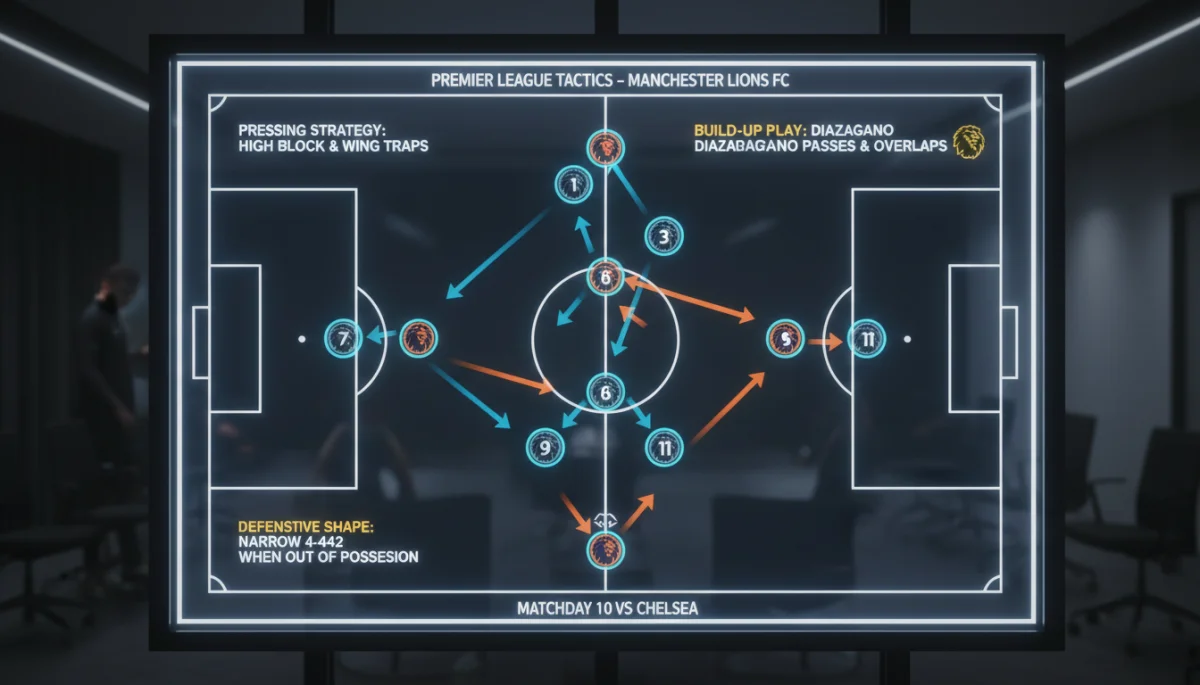
The evolution of Liverpool’s tactical setup is a testament to Klopp’s ability to refresh his philosophy. The 2026 iteration of his team showcases a more mature, less frenetic pressing game, combined with enhanced creativity from deeper positions. This makes them a formidable opponent, capable of both overwhelming teams with intensity and dissecting them with precision.
Arsenal: Arteta’s Structural Masterclass
Mikel Arteta’s Arsenal has blossomed into a formidable tactical unit by 2026, built on a foundation of structural solidity and intricate attacking patterns. Arteta, heavily influenced by Guardiola, has instilled a clear identity, emphasizing control, intelligent movement, and a disciplined defensive shape. Their progression has been a testament to patient development and strategic recruitment.
The Gunners’ build-up play from the back is meticulously choreographed, designed to draw opponents in and create space for their creative midfielders and rapid wingers. Their ability to switch from a compact defensive block to a free-flowing attacking unit is a hallmark of Arteta’s tactical prowess. The central midfield pairing is crucial, providing both defensive cover and initiating attacks.
Attacking Asymmetry and Overloads
Arsenal often employs an asymmetric attacking shape, with one full-back pushing high and wide, while the other tucks in, creating a back three in possession. This allows for numerical overloads in specific areas of the pitch, particularly on the wings, where their technical players can combine effectively to create chances. This tactical nuance adds another layer of complexity for opposing defenses.
- Defensive Discipline: A well-organized defensive structure, with players understanding their roles in various pressing schemes.
- Positional Play: Emphasis on maintaining shape and creating passing triangles to progress the ball.
- Clinical Finishing: Improved efficiency in front of goal, capitalizing on the chances created by their intricate build-up.
Arteta’s structural masterclass has transformed Arsenal into genuine title contenders. Their tactical shifts in 2026 focus on maximizing individual talents within a cohesive system, ensuring they are both defensively resilient and creatively potent. The challenge lies in maintaining consistency throughout a grueling Premier League campaign.
Manchester United: Ten Hag’s Quest for Control
Erik ten Hag’s Manchester United in 2026 is a team still very much in the process of defining its tactical identity, yet showing clear signs of progress towards a more controlled and proactive style of play. Ten Hag’s philosophy, rooted in possession-based football and intelligent pressing, has begun to take firm root, moving away from the more reactive approaches of previous eras.
The midfield is the engine room, tasked with dictating the tempo, winning second balls, and providing a link between defense and attack. United’s tactical evolution sees less reliance on individual brilliance and more on collective synergy, with players understanding their roles within a structured framework. The integration of young talents into this system has been a key focus.
Strategic Pressing and Counter-Attacks
While Ten Hag champions possession, United also demonstrates a shrewd ability to transition quickly. Their pressing is more strategic, targeting specific areas to win the ball back rather than a blanket high press. Once possession is regained, they are adept at launching rapid counter-attacks, utilizing the pace of their wingers and the directness of their strikers. This dual threat makes them unpredictable.
- Midfield Dominance: A focus on controlling the center of the park to dictate play.
- Defensive Solidity: A more organized and disciplined backline, reducing individual errors.
- Verticality in Attack: While possession-based, there’s a clear intent to move the ball forward quickly when opportunities arise.
Manchester United’s tactical shifts under Ten Hag in 2026 highlight a commitment to a modern, proactive style. The challenge for them will be to consistently implement this philosophy against the league’s elite, turning potential into tangible success in the title race. Their ability to adapt and refine will be paramount.
Chelsea: The Pursuit of Tactical Identity
Chelsea in 2026 continues its pursuit of a stable tactical identity, having undergone various managerial changes and philosophical shifts in recent years. The current setup often features a blend of defensive solidity and dynamic attacking play, with an emphasis on wing-backs providing width and creativity, and a fluid front three interchanging positions.
The midfield battles are crucial for Chelsea, as they aim to win the ball high up the pitch and transition quickly. Their tactical approach often involves a robust defensive block, making them difficult to break down, combined with explosive counter-attacking potential. The ability of their wide players to isolate defenders and deliver dangerous crosses is a key offensive weapon.
Defensive Resilience and Counter-Attacking Threat
Chelsea’s tactical strategy often revolves around absorbing pressure and then hitting opponents with pace and precision. They are comfortable playing without dominant possession, relying on their defensive organization and the individual brilliance of their attackers to create and convert chances. The role of the defensive midfielder is pivotal, shielding the backline and initiating attacks.
- Strong Defensive Shape: A well-drilled defense that is hard to penetrate.
- Wing-Back Importance: Crucial for both defensive coverage and offensive output.
- Direct Attacking Play: Quick transitions from defense to attack, exploiting space behind opposition defenses.
The tactical shifts at Chelsea in 2026 reflect a pragmatic approach, aiming to combine defensive strength with offensive firepower. Their title aspirations will depend on finding consistency in their performances and ensuring that their talented squad can fully execute the manager’s evolving vision. The tactical balance between defense and attack will be critical.
The Impact of Data and Sports Science on Tactics
The 2026 Premier League season underscores the profound impact of data analytics and sports science on tactical decision-making. No longer are tactical choices purely based on intuition; they are heavily informed by granular data on player performance, opponent tendencies, and physical conditioning. This scientific approach optimizes everything from training regimes to in-game substitutions.
Managers and their backroom staff now utilize advanced metrics to identify tactical patterns, predict player fatigue, and even simulate match scenarios. This allows for highly personalized training programs and recovery strategies, ensuring players are at their peak physical condition for crucial fixtures. The integration of AI in scouting and tactical analysis is also becoming more prevalent.
Optimizing Player Performance and Injury Prevention
Sports science plays a critical role in managing the demanding schedule of the Premier League. GPS tracking, heart rate monitors, and sleep analysis are routinely used to monitor player welfare. This data helps coaches make informed decisions about rotation, intensity of training, and individual player development plans, ultimately contributing to better on-field performance and reduced injury risk.
- Personalized Training: Tailored programs based on individual physiological data and playing style.
- Load Management: Careful monitoring of player workload to prevent burnout and injury.
- Tactical Adjustments: Data-driven insights informing real-time changes during matches.
The symbiotic relationship between data, sports science, and tactical innovation is a defining characteristic of the Premier League in 2026. Teams that effectively harness these tools will gain a significant competitive advantage, allowing them to fine-tune their strategies and maximize their squad’s potential throughout the arduous title race. This scientific edge is now indispensable.
| Key Aspect | Description in Premier League 2026 |
|---|---|
| Tactical Fluidity | Teams constantly adapt formations and roles mid-game, emphasizing versatility. |
| Data Integration | Advanced analytics and AI inform player performance, opponent analysis, and tactical decisions. |
| Player Versatility | Players are expected to excel in multiple positions and tactical roles. |
| Managerial Adaptability | The ability of coaches to evolve strategies is critical for sustained success. |
Frequently Asked Questions About Premier League 2026 Tactics
Major trends include highly fluid formations, strategic high pressing, and increased reliance on data analytics. Teams prioritize positional flexibility and quick transitions, often employing hybrid systems that adapt to game situations and opponent strengths for competitive advantage.
Guardiola’s City continues to refine their possession-based game with more dynamic false nine systems and enhanced defensive transition strategies. Their focus is on unpredictable attacking movements and rapid ball recovery, ensuring they remain at the forefront of tactical innovation.
Yes, Klopp’s Gegenpressing has evolved to be more strategic, conserving energy while maintaining intensity in specific zones. There’s a greater emphasis on technical midfield play to control possession, balancing their high-energy approach with more deliberate build-up phases.
Data science is crucial for informed tactical decisions, optimizing player performance, and injury prevention. It provides insights into opponent analysis, individual player metrics, and helps simulate match scenarios, moving beyond intuition to a more scientific approach.
All top five teams’ tactical shifts are critical, but Chelsea’s ability to solidify a consistent tactical identity and Manchester United’s progression under Ten Hag will be particularly decisive. Their success hinges on balancing defensive resilience with offensive fluidity.
Conclusion
The Premier League 2026 title race is poised to be a captivating spectacle, defined not just by individual brilliance, but by the intricate tactical battles waged by the top five contenders. From Manchester City’s enduring innovation to Liverpool’s refined Gegenpressing, Arsenal’s structural mastery, Manchester United’s quest for control, and Chelsea’s pursuit of identity, every team is adapting. The relentless pursuit of tactical advantage, fueled by cutting-edge sports science and data analytics, ensures that the championship will be won by the team that best executes its evolving game plan, demonstrating superior adaptability and strategic foresight throughout the demanding season.
