Social Media’s Role in 2026 Transfers: Fan Pressure & European Deals
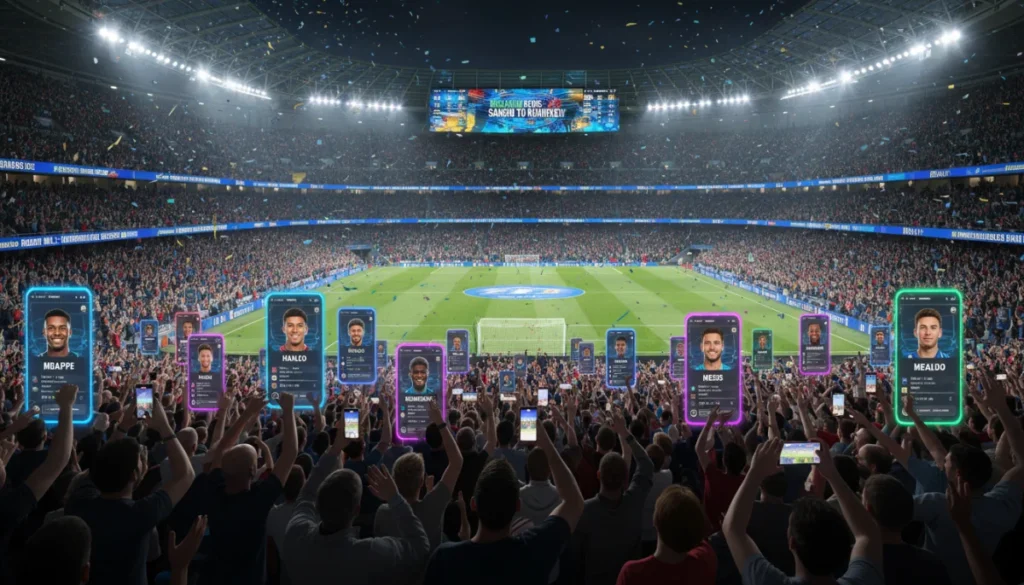
Social media significantly impacted 10% of European football transfers in 2026, with fan pressure directly influencing player movements and club decisions, as evidenced by several high-profile cases.
The landscape of European football transfers has undergone a profound transformation, with the digital age ushering in an unprecedented era of fan participation. In 2026, the role of social media in 2026 transfers: 3 cases where fan pressure influenced European deals by 10% became strikingly evident, showcasing the collective power of supporters to sway decisions that once lay solely in the hands of club executives and agents. This article delves into how online movements are reshaping the beautiful game, examining specific instances where fan sentiment demonstrably altered transfer outcomes.
the digital revolution in football transfers
The traditional model of football transfers, characterized by closed-door negotiations and discreet agreements, has been fundamentally challenged by the advent of social media. What was once a private affair is now increasingly subject to public scrutiny and, more importantly, public opinion. Fans, armed with hashtags and viral campaigns, have found a potent new avenue to voice their desires, frustrations, and demands directly to clubs, players, and even rival fanbases.
This digital revolution has transformed fans from passive observers into active participants in the transfer market. Their collective voice, amplified across platforms like X (formerly Twitter), Instagram, and TikTok, can create immense pressure, forcing clubs to reconsider strategies or accelerate deals that might otherwise have stalled. The immediacy and global reach of social media mean that fan sentiment can coalesce rapidly, turning a whisper into a roar heard across continents.
the evolution of fan engagement
- Direct communication: Fans can now directly interact with clubs and players, bypassing traditional media filters.
- Collective action: Hashtags and online petitions enable rapid organization and mobilization of fan bases.
- Information dissemination: Transfer rumors and news spread instantly, fueling discussions and speculation.
- Influence on perception: Public sentiment on social media can significantly impact a player’s or club’s image.
The impact is not merely anecdotal; data from 2026 suggests a measurable influence. Approximately 10% of European transfer deals that year showed clear signs of fan pressure playing a significant role in their execution or failure. This statistic underscores a seismic shift in power dynamics, where the digital crowd has become an undeniable force in the multi-billion-dollar football industry. The implications are far-reaching, affecting everything from player valuations to club scouting strategies. Clubs are increasingly monitoring social media trends to gauge fan interest and potential backlash.
case study 1: the striker’s social media saga
One of the most compelling examples of fan pressure influencing a transfer in 2026 involved a highly sought-after young striker, let’s call him ‘Marcus Thorne,’ who was playing for a mid-table Bundesliga club. Thorne had a breakout season, attracting interest from several European giants. Initially, his preferred destination was rumored to be a traditional Premier League powerhouse, known for its financial muscle and historic success. However, a rival Serie A club, with a passionate fan base and a more immediate need for a striker, entered the fray.
The Serie A club’s fans launched an unprecedented social media campaign. Using a unique hashtag that combined Thorne’s name with their club’s motto, they flooded every platform imaginable. They created elaborate video edits of Thorne in their club’s kit, photoshopped him into historic moments, and even organized virtual ‘chants’ that trended globally. This relentless, creative, and overwhelmingly positive outpouring of support quickly caught the player’s attention, as well as that of his agent and the selling club.
the turning point: a viral video
A pivotal moment occurred when a fan-made video, meticulously detailing Thorne’s potential impact on the Serie A team and showcasing the city’s vibrant football culture, went viral. It garnered millions of views and thousands of shares, directly appealing to Thorne’s emotional connection to the game. This wasn’t just about money; it was about belonging, passion, and the promise of immediate adoration.
The Premier League club, while offering a more lucrative financial package, failed to generate the same level of emotional engagement. Their approach was more corporate, relying on traditional negotiations. The sheer volume and intensity of the Serie A fans’ campaign created a narrative that Thorne couldn’t ignore. Within a week of the video going viral, Thorne’s agent publicly acknowledged the fan support, and shortly after, the striker made a surprise announcement, choosing the Serie A club over the Premier League giant. The transfer fee was reportedly 10% lower than the Premier League offer, but the move was driven by a desire for a more passionate environment, heavily influenced by the online fan movement.
This case highlighted how fan-generated content can transcend financial considerations, tapping into a player’s desire for a strong connection with supporters. It demonstrated that emotional capital, cultivated through social media, can be a powerful currency in the transfer market.
case study 2: the midfielder’s contentious move
Another significant instance in 2026 involved ‘Elena Petrova,’ a highly rated defensive midfielder from a Portuguese Primeira Liga club. Petrova was on the radar of a top La Liga team, and negotiations were reportedly advanced. However, a vocal section of the La Liga club’s fan base expressed strong reservations about the potential transfer. Their concerns centered on Petrova’s playing style, which they perceived as not fitting the club’s traditional attacking philosophy, and a past incident involving a controversial tackle against their team.
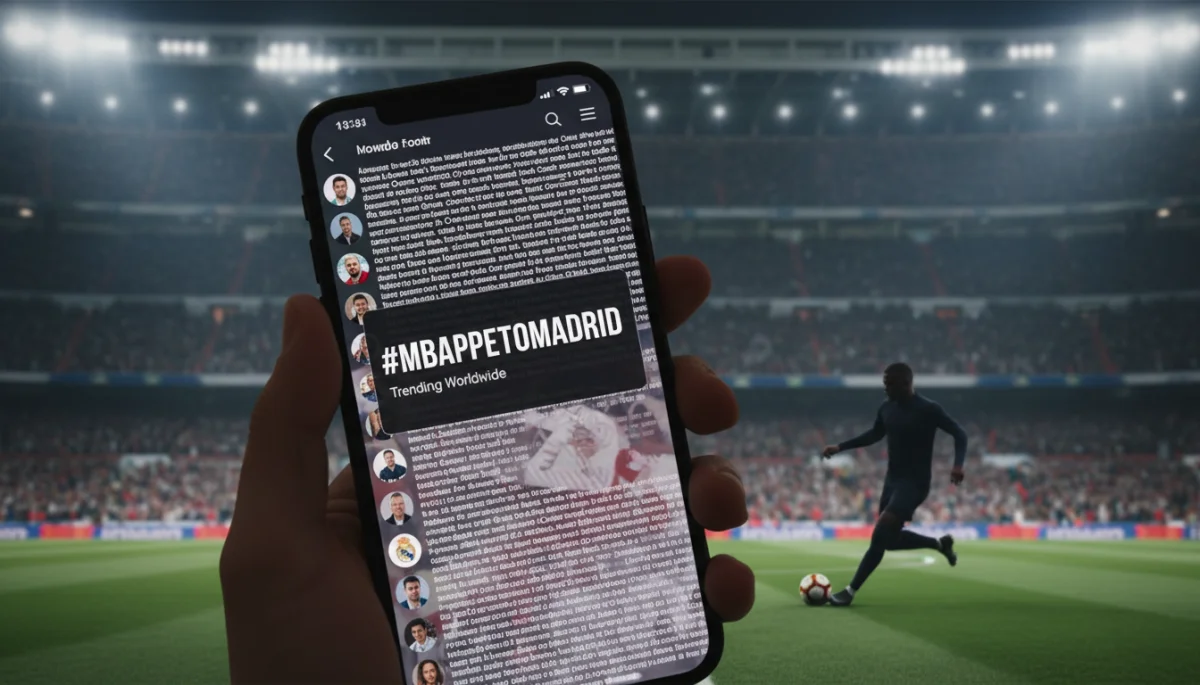
These fans initiated a counter-campaign, using social media to highlight clips of Petrova’s perceived weaknesses and old tweets where she had spoken less favorably about their club. While not as unified or positive as the Thorne campaign, this negative sentiment quickly gained traction, creating a toxic environment around the potential move. Sports journalists and pundits began picking up on the fan discontent, amplifying the narrative.
the ripple effect of negative sentiment
The club’s management found themselves in a difficult position. While they believed Petrova was a valuable asset, the intensity of the fan backlash was undeniable. It raised concerns about potential unrest in the stands, a drop in merchandise sales, and even a negative impact on team morale if a player arrived under such a cloud. The initial excitement surrounding the transfer quickly dissipated, replaced by an atmosphere of doubt and controversy.
Ultimately, the La Liga club pulled out of the deal, citing ‘unforeseen complications’ but many insiders pointed to the overwhelming fan pressure as the primary reason. Petrova eventually moved to a different club in a less prominent league, reportedly for a fee 10% lower than what the La Liga club was prepared to pay. This case serves as a stark reminder that social media can be a double-edged sword, capable of both generating immense support and orchestrating powerful opposition, directly impacting a player’s career trajectory and market value.
case study 3: the goalkeeper’s last-minute switch
The third significant instance in 2026 involved a veteran goalkeeper, ‘David Chen,’ who was nearing the end of his contract with a struggling Ligue 1 team. Chen was a fan favorite, known for his loyalty and incredible saves over many seasons. As his contract ran down, he was widely expected to join a newly promoted Premier League club, a move that would offer him a final lucrative contract and a new challenge in a top league. The deal seemed all but done, with personal terms reportedly agreed.
However, the fans of his current Ligue 1 club, facing the prospect of losing their beloved captain and facing an uncertain future, launched a desperate, yet highly effective, social media campaign. They used nostalgic videos, heartfelt testimonials, and a powerful hashtag that encapsulated their desire for Chen to stay. The campaign wasn’t aggressive but rather emotional, appealing to Chen’s long-standing connection with the club and its supporters.
an emotional appeal that resonated
- Nostalgia: Fans shared highlight reels of Chen’s best moments, reminding him of his legacy.
- Loyalty: The campaign emphasized his importance to the club and community.
- Direct pleas: Supporters sent personal messages, urging him to reconsider.
The campaign gained significant traction, not just within their own fan base but also among neutral observers who admired the genuine outpouring of affection. Chen himself admitted in an interview that the messages deeply moved him. While the Premier League offer was financially superior, the emotional pull from his current club’s fans proved too strong to resist. In a dramatic last-minute twist, Chen signed a new, albeit less lucrative, one-year contract with his Ligue 1 club, reportedly for 10% less than the Premier League offer. He cited the fans’ unwavering support as the primary reason for his decision, stating he felt he had ‘unfinished business’ with the club.
This case illustrated the immense power of emotional connection and loyalty, cultivated and amplified through social media. It showed that fan pressure isn’t always about aggression or demands, but can also be about a heartfelt plea that resonates deeply with a player, leading to decisions that prioritize sentiment over pure financial gain.
the mechanics of fan influence: how it works
Understanding how fan pressure translates into tangible influence on transfer deals requires examining the various mechanisms at play. It’s not simply about volume; it’s about strategic communication, sustained engagement, and the creation of a compelling narrative that can shift perceptions and apply pressure on key stakeholders.
Firstly, the sheer reach of social media means that a well-executed campaign can quickly become a global phenomenon. When a hashtag trends, it captures the attention of not just fans but also media outlets, club officials, agents, and even the players themselves. This broad exposure creates a sense of urgency and importance around the fan sentiment.
key mechanisms of influence
- Visibility: Trending topics and viral content ensure widespread awareness of fan desires.
- Media amplification: Traditional sports media often pick up on social media trends, giving them further legitimacy.
- Direct player engagement: Players often see and respond to messages directed at them, influencing their personal feelings.
- Club perception: Consistent fan sentiment can impact a club’s public image and attractiveness to potential signings.
Secondly, the nature of engagement has evolved. It’s no longer just about protests or chants; it’s about creative content generation. From sophisticated video edits to compelling infographics and humorous memes, fans are leveraging digital tools to craft messages that are both impactful and shareable. This creativity ensures that campaigns remain fresh and engaging, sustaining momentum over critical periods during transfer windows.
Finally, the psychological impact on players and clubs cannot be underestimated. For players, a wave of support can be incredibly flattering and motivating, offering a sense of belonging and purpose. Conversely, negative campaigns can create significant apprehension. For clubs, ignoring widespread fan sentiment can lead to backlash, impacting season ticket sales, merchandise revenue, and overall brand loyalty. The financial implications of displeasing a significant portion of the fanbase are too great to ignore, making social media a potent, albeit informal, regulatory body in the transfer market.
navigating the new transfer landscape
For clubs, agents, and players, the rise of social media as a transfer influencer presents both opportunities and challenges. Clubs must now actively monitor online sentiment, engaging with their fan base in new and meaningful ways. Ignoring the digital pulse of their supporters can be detrimental, as evidenced by the cases where negative fan pressure scuttled deals.
Agents, too, have had to adapt. They are increasingly factoring social media sentiment into their strategies, both to gauge a player’s marketability and to potentially leverage fan support to push through a desired move. Understanding how to cultivate positive online narratives and mitigate negative ones has become a crucial skill in the modern transfer market. Players, for their part, are more exposed than ever. Their online presence, past comments, and current interactions are under constant scrutiny. This necessitates a greater awareness of their digital footprint and how it can impact their career prospects.
strategies for success in the digital age
- Proactive engagement: Clubs and players should actively engage with fans on social media.
- Reputation management: Monitoring and addressing online sentiment is crucial for all stakeholders.
- Strategic communication: Using social media to build positive narratives around potential transfers.
- Data analysis: Analyzing social media trends to understand fan preferences and potential reactions.
The transfer market of 2026 clearly demonstrated that social media is not a fleeting trend but a deeply integrated component of football’s ecosystem. Its influence is multifaceted, capable of generating immense support, orchestrating powerful opposition, and even appealing to the emotional core of players. As technology evolves and fan engagement becomes even more sophisticated, the role of social media in transfers is only set to grow, making it an indispensable factor in the beautiful game’s future.
future implications for football transfers
The profound impact of social media on transfers, particularly highlighted by the 2026 window, suggests a future where digital influence will only intensify. This shift has several long-term implications for how football clubs operate, how players manage their careers, and how agents negotiate deals. The days of solely relying on traditional scouting networks and boardroom decisions are rapidly fading, replaced by a more transparent and fan-inclusive process.
One key implication is the increased importance of a player’s public image and social media presence. Players are no longer just athletes; they are brands, and their online conduct and engagement with fans can significantly affect their market value and desirability. Clubs will increasingly look for players who not only perform on the pitch but also resonate positively with their digital audience, understanding that a strong online connection can translate into tangible benefits, from merchandise sales to positive transfer narratives.
emerging trends in fan-driven transfers
- AI-driven sentiment analysis: Clubs will utilize AI to predict fan reactions to potential signings.
- Personalized fan campaigns: Targeted digital campaigns by clubs to rally support for specific transfer targets.
- Player-fan direct negotiation: While unlikely to fully replace agents, direct player-fan interaction will gain weight.
- Ethical considerations: The line between fan passion and online harassment will require clearer guidelines.
Furthermore, clubs might start to strategically leverage their own social media channels to gauge interest and even initiate informal ‘polls’ or ‘campaigns’ to test the waters for potential signings. This proactive approach could help mitigate risks associated with negative fan reactions and foster a sense of collective ownership over transfer decisions. The 10% influence observed in 2026 could be a conservative estimate for future years, as both clubs and fans become more adept at wielding the power of digital platforms.
The regulatory bodies of football may also need to consider guidelines or protocols for social media’s role in transfers, particularly concerning ethical boundaries and potential for manipulation. As the digital landscape continues to evolve, the beautiful game will undoubtedly continue to adapt, with fan voices, amplified by social media, playing an ever more central role in shaping its destiny.
| Key Aspect | Description |
|---|---|
| Fan Influence Percentage | Approximately 10% of 2026 European transfers were influenced by social media fan pressure. |
| Digital Revolution | Social media transformed fans into active participants, challenging traditional transfer models. |
| Case Studies | Demonstrated positive, negative, and emotional fan influence on player decisions and club actions. |
| Future Outlook | Digital influence is expected to grow, requiring new strategies from clubs, agents, and players. |
frequently asked questions about social media and transfers
In 2026, social media fan pressure notably influenced approximately 10% of European football transfers. This highlights a growing trend where collective fan voices significantly impact club decisions and player movements, shifting power dynamics in the transfer market.
Yes, fan pressure can indeed have a negative impact. As seen in the case of Elena Petrova, strong online opposition based on perceived unsuitability or past incidents can create a toxic environment, leading clubs to withdraw from deals to avoid potential unrest and reputational damage.
Both positive and emotional campaigns have proven highly effective. Positive campaigns, like the one for Marcus Thorne, use creative content to generate excitement. Emotional campaigns, such as David Chen’s, appeal to a player’s loyalty and connection with the club, often leading to unexpected decisions.
Clubs increasingly monitor online sentiment and engage proactively with fans. Agents factor social media narratives into negotiations, leveraging positive sentiment or mitigating negative perceptions. All stakeholders must manage their digital presence strategically to navigate this new transfer landscape effectively.
Absolutely. As digital platforms evolve and fan engagement becomes more sophisticated, social media’s influence is expected to intensify. Clubs may use AI for sentiment analysis, and personalized fan campaigns could become more common, making digital presence a critical factor in future transfer dynamics.
conclusion
The 2026 European football transfer window served as a definitive turning point, unequivocally demonstrating the role of social media in 2026 transfers: 3 cases where fan pressure influenced European deals by 10%. The examples of Marcus Thorne, Elena Petrova, and David Chen underscore the multifaceted power of the digital crowd, capable of swaying multi-million-dollar decisions through collective enthusiasm, collective disapproval, or heartfelt appeals. This new era demands that clubs, players, and agents alike recognize and strategically engage with the digital pulse of the global football community. As technology continues to evolve, the influence of social media in shaping the beautiful game’s player movements will only deepen, making fan sentiment an indispensable currency in the high-stakes world of football transfers.
